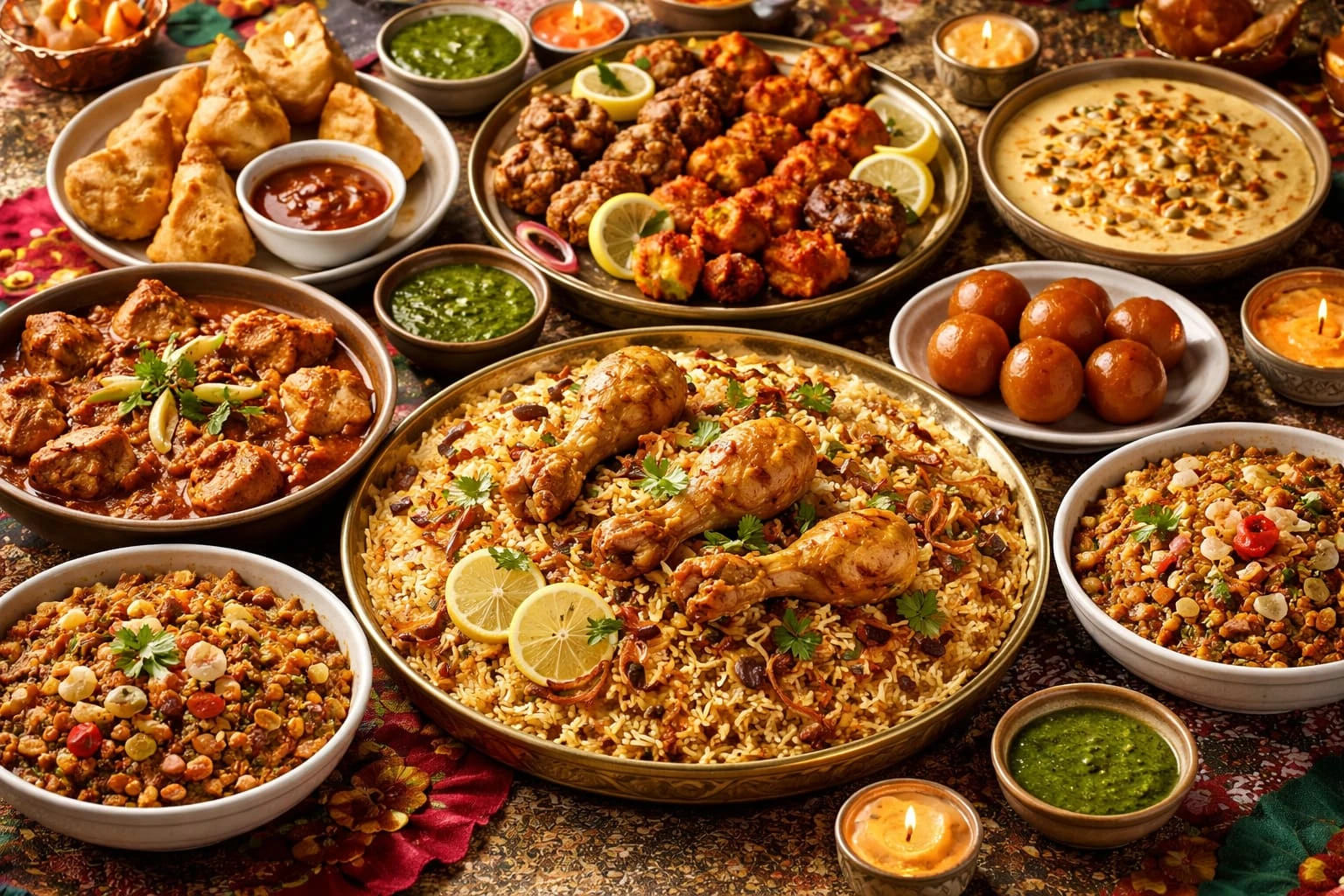
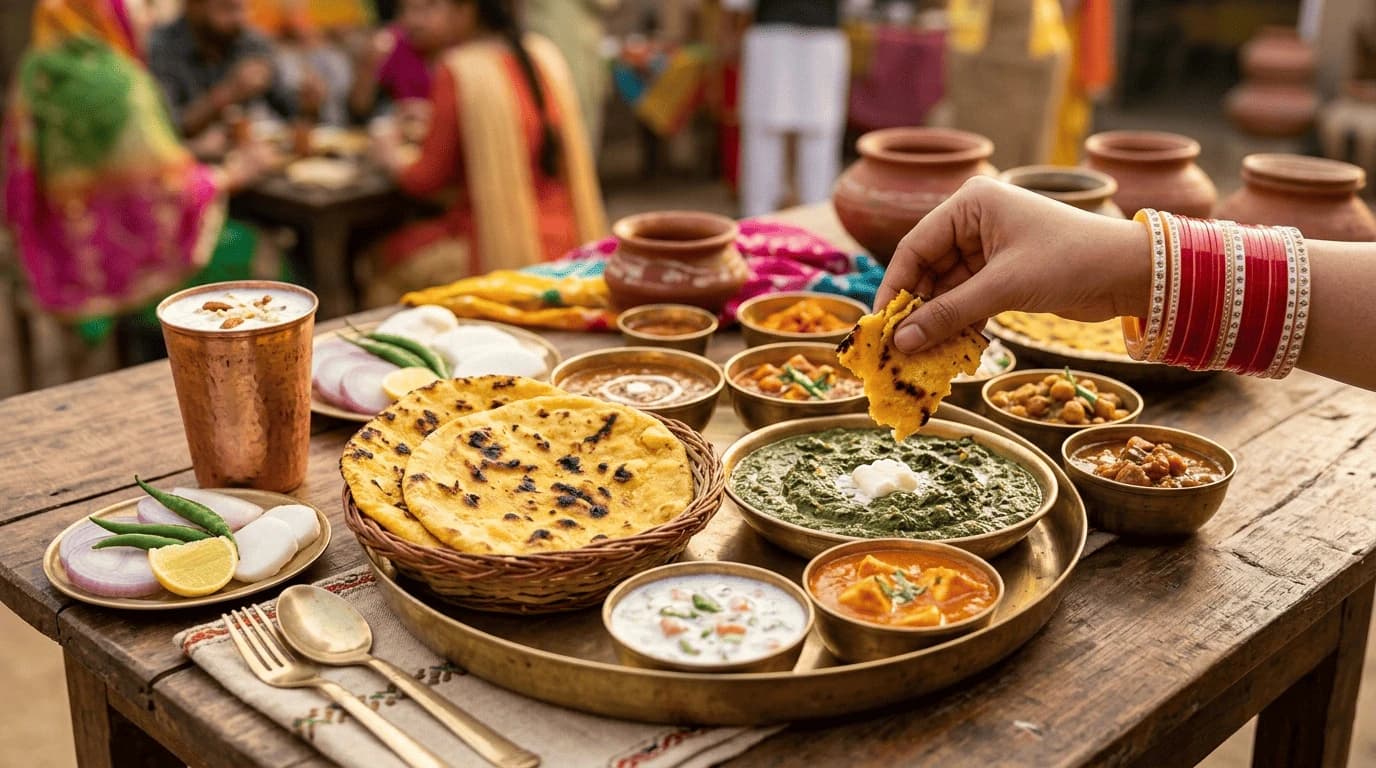
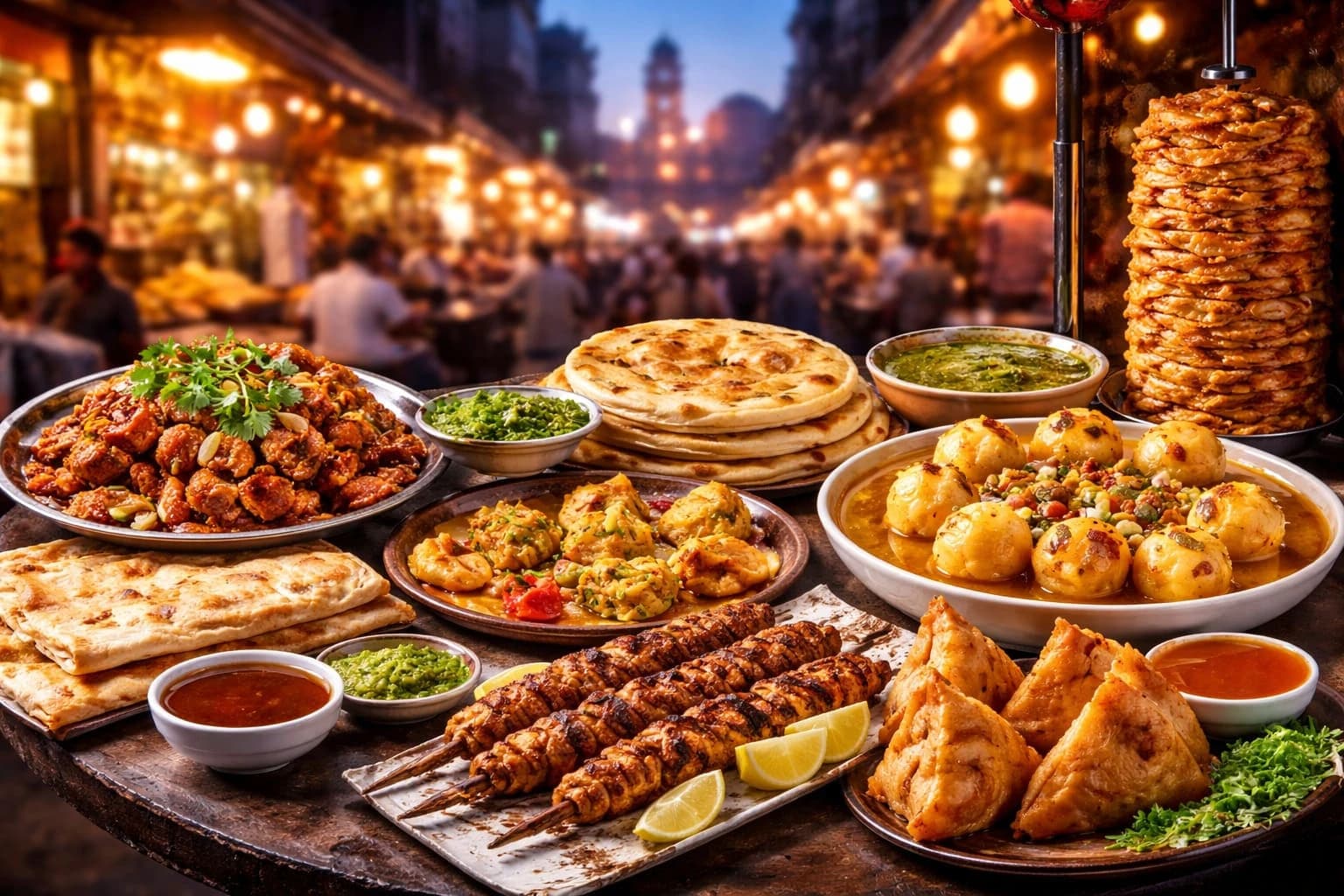
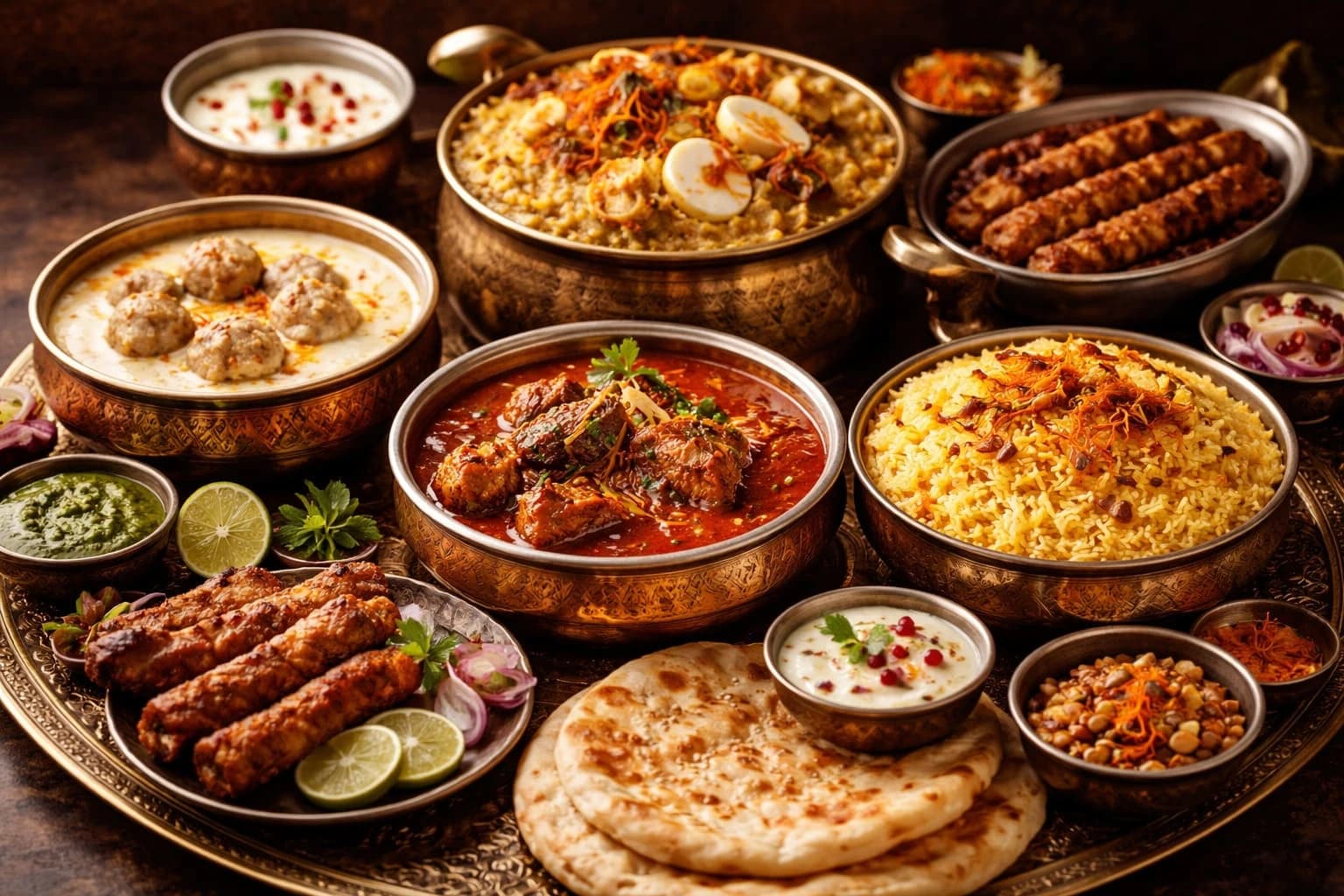
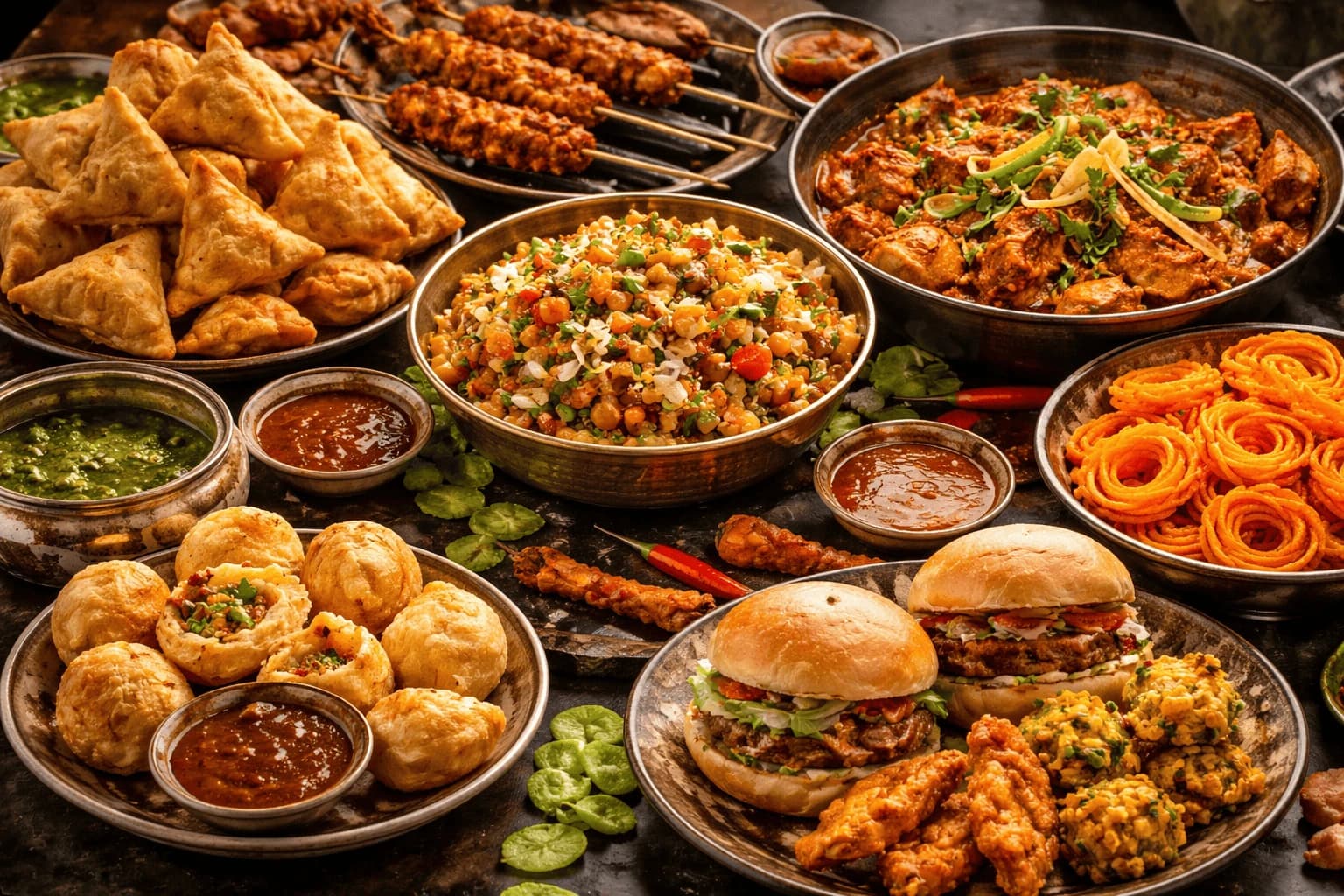
In Pakistani culture, food does much more than fill plates. It brings people together and gives every celebration a deeper meaning. Before guests even arrive, the kitchen is already full of life. Someone is frying onions, someone is checking the rice, someone is stirring the dessert, and someone is tasting the curry. That activity is part of the joy of the occasion.
Different celebrations have different foods, but the feeling behind them is often the same.
Eid:
Eid meals are full of happiness, family tradition, and comfort. The day often begins with something sweet, especially sheer khurma. Later, the table may include biryani, qorma, kebabs, or pulao as relatives and friends visit throughout the day. These foods feel special because they are linked with gratitude, reunion, and celebration.
Weddings
Pakistani weddings are famous for rich and memorable food. Dishes such as biryani, qorma, nihari, pulao, and barbecue are common because they are festive, satisfying, and suitable for large gatherings. Wedding food is expected to feel generous, and many guests remember the meal long after the event is over.
Dawats and Family Gatherings:
Not every celebration is formal. Sometimes a small family gathering becomes special simply because loved ones are together. On these occasions, dishes such as chicken karahi, seekh kebabs, pulao, and kheer are often served. These meals may be simpler than wedding food, but they usually feel warmer and more personal.
What Makes Festive Food Special in Pakistan
Festive food stands out for several reasons:
- It is usually prepared with more care and time than everyday meals.
- It is meant to be shared with family, friends, and guests.
- It carries memory, tradition, and emotion.
- It brings together rich, sweet, spicy, and aromatic flavors.
- It turns an ordinary gathering into a meaningful celebration.
Iconic Pakistani Festive Foods at a Glance
Before getting into the recipes, it helps to see how these dishes fit into different celebrations. Some are linked with Eid, some are loved at weddings, and some appear whenever families gather for a special meal.
| Dish |
Celebration |
Why It Is Special |
| Biryani |
Eid, dawat, weddings |
Rich, fragrant, and loved by almost everyone |
| Haleem |
Ramadan, Eid, special gatherings |
Slow-cooked, filling, and deeply traditional |
| Nihari |
Weddings, family brunches, special breakfasts |
Hearty, flavorful, and full of history |
| Chicken Karahi |
Family gatherings, dawats |
Fresh, spicy, and perfect for sharing |
| Seekh Kebabs |
Barbecue nights, weddings, festive dinners |
Smoky, juicy, and easy to serve to a crowd |
| Sheer Khurma |
Eid morning |
Sweet, comforting, and strongly tied to tradition |
| Zarda or Kheer |
Nearly every celebration |
A classic dessert that completes the meal |
These foods are considered legendary because they do more than taste good. They create the mood of the celebration. The aroma of biryani can fill the whole house with excitement. A pot of haleem suggests patience and care. A bowl of sheer khurma on Eid morning instantly brings a sense of joy and familiarity.
1) Biryani – The King of Every Celebration
If there is one dish that instantly makes any gathering feel special, it is biryani. The aroma alone is enough to bring everyone into the kitchen. Whether it is Eid, a wedding, or a family dawat, biryani almost always takes center stage. It is rich, flavorful, and made to be shared.
Simple Chicken Biryani Recipe
Ingredients
- 2 cups basmati rice
- 500g chicken (cut into pieces)
- 2 onions (thinly sliced)
- 2 tomatoes (chopped)
- 1 cup yogurt
- 2 tablespoons ginger garlic paste
- 2–3 green chilies
- 1 teaspoon red chili powder
- 1 teaspoon turmeric powder
- 1 teaspoon garam masala
- Whole spices (bay leaf, cloves, cardamom, cinnamon)
- Fresh coriander and mint leaves
- 3–4 tablespoons oil or ghee
- Salt to taste
Steps
- Wash and soak the rice for about 30 minutes. Then boil it with whole spices until it is about 70% cooked. Drain and set aside.
- In a large pot, heat oil and fry the sliced onions until golden brown. Remove half for later use.
- In the same pot, add chicken and ginger garlic paste. Cook until the chicken changes color.
- Add tomatoes, yogurt, salt, and all powdered spices. Cook until the oil separates and the chicken becomes tender.
- Now layer the partially cooked rice over the chicken. Sprinkle fried onions, fresh coriander, and mint on top.
- Cover the pot tightly and cook on low heat (dum) for 15–20 minutes.
- Gently mix before serving.
- Tips for Better Biryani
- Do not overcook the rice before layering
- Use fresh herbs for better aroma
- Let it rest for a few minutes before serving
- Add a few drops of kewra water for a traditional touch (optional)

2) Haleem – The Soul of Ramadan and Eid
Haleem is not just a dish, it is an experience. It takes hours to cook, constant stirring, and a lot of patience, which is why it is often associated with Ramadan and special occasions. When a pot of haleem is being prepared, it usually means something important is being celebrated.
Simple Haleem Recipe
Ingredients
- 1 cup wheat (soaked overnight)
- 1/2 cup barley (optional)
- 1/2 cup lentils (mix of chana dal, masoor dal, moong dal)
- 500g beef or chicken
- 2 onions (sliced)
- 2 tablespoons ginger garlic paste
- 1 teaspoon red chili powder
- 1/2 teaspoon turmeric
- 1 teaspoon garam masala
- 4–5 cups water
- Oil or ghee
- Salt to taste
For garnish:
- Fried onions
- Fresh coriander
- Green chilies
- Lemon slices
- Ginger (julienne)
Steps
- Boil the soaked wheat, barley, and lentils together until they become very soft.
- Mash or blend them into a thick mixture.
- In a separate pot, heat oil and fry onions until golden.
- Add meat and ginger garlic paste. Cook until the meat changes color.
- Add spices, salt, and water. Let the meat cook until it becomes tender.
- Shred the meat into small pieces.
- Add the mashed wheat and lentil mixture into the meat. Mix well.
- Cook on low heat for 30–40 minutes, stirring continuously to avoid sticking.
- Adjust thickness by adding water if needed.
- Tips for Better Haleem
- Slow cooking improves both taste and texture
- Keep stirring to get that smooth, thick consistency
- Use ghee at the end for richer flavor
- Garnish generously before serving

3) Chicken Karahi – The Center of Every Dawat
You will often see it at family dawats, late-night get-togethers, or even after a long day when everyone just wants something comforting and flavorful. It is quick to prepare, yet rich in taste.
Simple Chicken Karahi Recipe
Ingredients
- 500g chicken (cut into pieces)
- 3–4 tomatoes (finely chopped)
- 2 tablespoons ginger garlic paste
- 2–3 green chilies
- 1 teaspoon red chili powder
- 1/2 teaspoon turmeric powder
- 1 teaspoon crushed black pepper
- 1 teaspoon cumin seeds
- 1 teaspoon garam masala
- 3–4 tablespoons oil or ghee
- Fresh coriander and ginger (for garnish)
- Salt to taste
Steps
- Heat oil or ghee in a karahi or pan. Add cumin seeds and let them crackle.
- Add chicken and ginger garlic paste. Cook on medium heat until the chicken starts to change color.
- Add chopped tomatoes, salt, red chili powder, and turmeric. Mix well.
- Cook on medium heat until the tomatoes soften and the oil begins to separate.
- Add green chilies and black pepper. Continue cooking until the chicken is fully tender.
- Sprinkle garam masala and mix gently.
- Garnish with fresh coriander and sliced ginger before serving.

4) Nihari – A Dish with Royal Roots
This dish stands out because of its thick, spicy gravy and tender meat that almost melts in your mouth. It is not something made in a hurry. Nihari takes time, and that is exactly what gives it its depth and richness.
Simple Nihari Recipe
Ingredients
- 500g beef (preferably shank or boneless)
- 1 large onion (sliced)
- 2 tablespoons ginger garlic paste
- 1/2 cup yogurt
- 2 tablespoons wheat flour (for thickening)
- 1 teaspoon red chili powder
- 1/2 teaspoon turmeric powder
- 1 teaspoon coriander powder
- 1 teaspoon garam masala
- Whole spices (bay leaf, cloves, cinnamon, cardamom)
- 4–5 cups water
- 3–4 tablespoons oil or ghee
- Salt to taste
For garnish:
- Fresh coriander
- Green chilies
- Ginger (julienne)
- Lemon slices
Steps
- Heat oil or ghee in a large pot and fry the sliced onions until golden brown.
- Add beef and ginger garlic paste. Cook until the meat changes color.
- Add yogurt, salt, and all spices. Cook well until the mixture becomes fragrant and slightly thick.
- Add water and let it cook on low heat for 2–3 hours until the meat becomes very tender.
- In a small bowl, mix wheat flour with water to make a smooth paste. Add this to the pot to thicken the gravy.
- Let it simmer for another 20–30 minutes, stirring occasionally.
- Adjust consistency as needed and finish with garam masala.

5) Zarda / Kheer – Sweet Endings to Every Feast
No Pakistani celebration feels complete without something sweet at the end. Desserts are not just an extra part of the meal, they are a signal that the celebration is complete. Whether it is a wedding, Eid gathering, or a family dawat, dishes like zarda and kheer are almost always present.
Zarda is colorful, fragrant sweet rice, often served at large events like weddings. Kheer, on the other hand, is soft, creamy rice pudding that feels more homely and comforting. Both are simple, but they carry a strong sense of tradition.
Simple Kheer Recipe
Ingredients
- 1 liter milk
- 1/4 cup rice (washed and soaked)
- 3–4 tablespoons sugar
- 3–4 green cardamom pods
- 2 tablespoons almonds (sliced)
- 2 tablespoons pistachios
- 1 tablespoon raisins
Steps
- In a pot, bring the milk to a boil.
- Add soaked rice and cook on low heat. Stir regularly to prevent sticking.
- Let it cook until the rice becomes soft and the milk thickens.
- Add sugar and cardamom. Mix well.
- Add nuts and raisins, and cook for a few more minutes.
- Turn off the heat and let it cool slightly.
Simple Zarda Recipe
Ingredients
- 2 cups basmati rice
- 1/2 cup sugar
- 3–4 tablespoons ghee
- Yellow food color (a pinch)
- 3–4 green cardamom pods
- 2 tablespoons almonds and cashews
- 2 tablespoons raisins
Steps
- Boil rice until about 70% cooked, then drain.
- In a pan, heat ghee and add cardamom.
- Add rice, sugar, and a small amount of yellow food color. Mix gently.
- Cover and cook on low heat until the rice is fully done and sugar is absorbed.
- Add nuts and raisins. Mix lightly.

Conclusion
Pakistani festive foods are more than just recipes. They are a reflection of culture, tradition, and togetherness. From the rich flavors of biryani and nihari to the comforting sweetness of sheer khurma and kheer, each dish carries its own story. What makes these foods truly special is how they bring people together. They turn ordinary moments into celebrations and simple gatherings into lasting memories. Whether it is a big wedding or a small family dawat, the food always plays a central role.
If you want to experience the true essence of Pakistani festive foods, start with these recipes. Cook them, share them, and enjoy them with the people around you. That is where their real value lies.
.png&w=3840&q=75)