.png&w=3840&q=75)
* All product/brand names, logos, and trademarks are property of their respective owners.
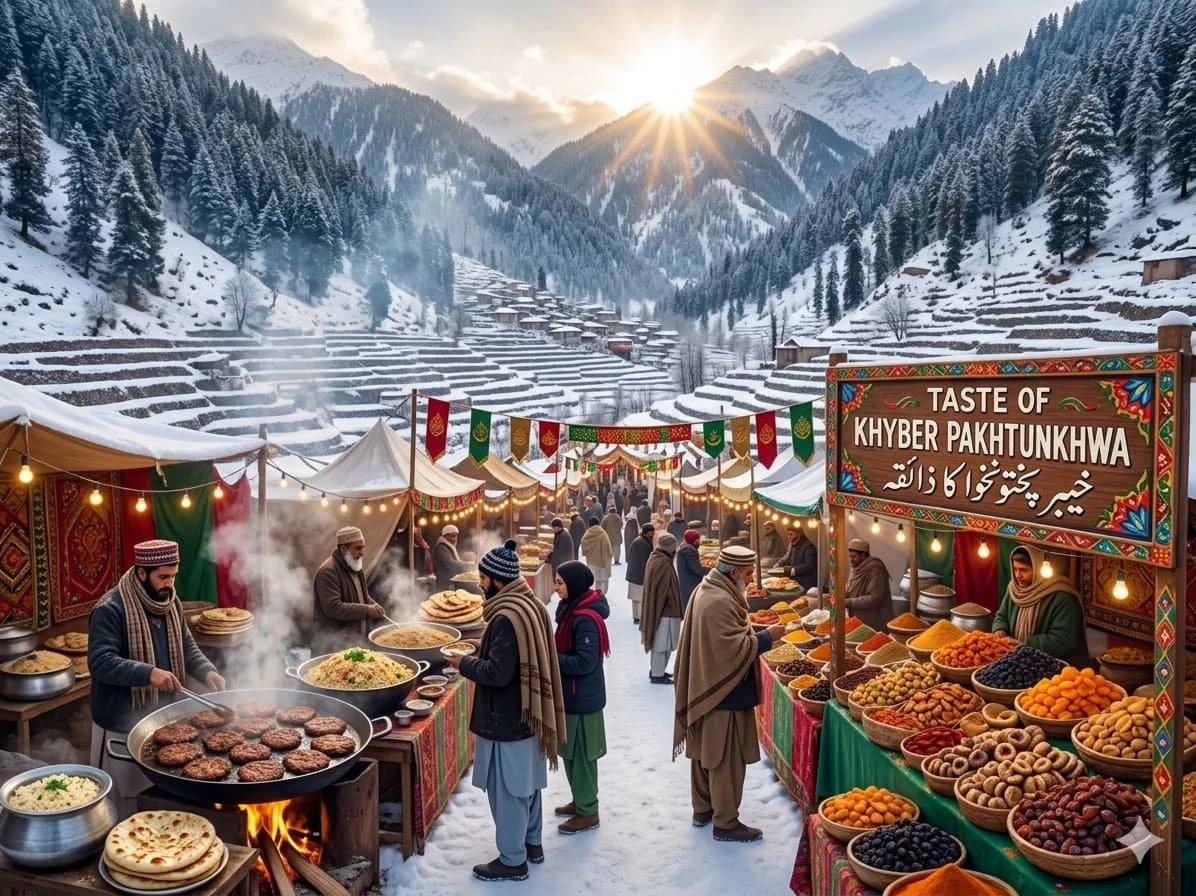
The taste of Khyber Pakhtunkhwa is not built on complexity. It comes from simple ingredients, slow cooking, and a deep connection to tradition. From the busy streets of Peshawar to the quiet valleys of Swat, food here carries a strong identity — bold, hearty, and deeply satisfying.
When people talk about the taste of Khyber Pakhtunkhwa, they’re not just referring to a list of dishes. It’s about the experience — the aroma of sizzling kebabs, the sound of karahi being stirred, and the generous way food is served. Every meal reflects a culture that values simplicity, hospitality, and bold flavor.
Food in Khyber Pakhtunkhwa is closely tied to land, family, and daily life. It is not shaped by heavy decoration or complicated presentation. Instead, it is known for honest cooking that puts emphasis on freshness, balance, and fullness. Meals are often rich, but they rarely feel forced. The strength of the cuisine comes from the way ordinary ingredients are handled with confidence.
Cooking methods also play a big part in shaping the character of the region’s cuisine. Across many homes and eateries, food is prepared through techniques that bring out strong texture and aroma:
No conversation about Khyber Pakhtunkhwa food feels complete without its best-known dishes. These are the plates that locals grow up with, travelers remember, and food lovers search for again after the first bite. Each one carries the same spirit of the region: big flavor, strong character, and no unnecessary fuss.
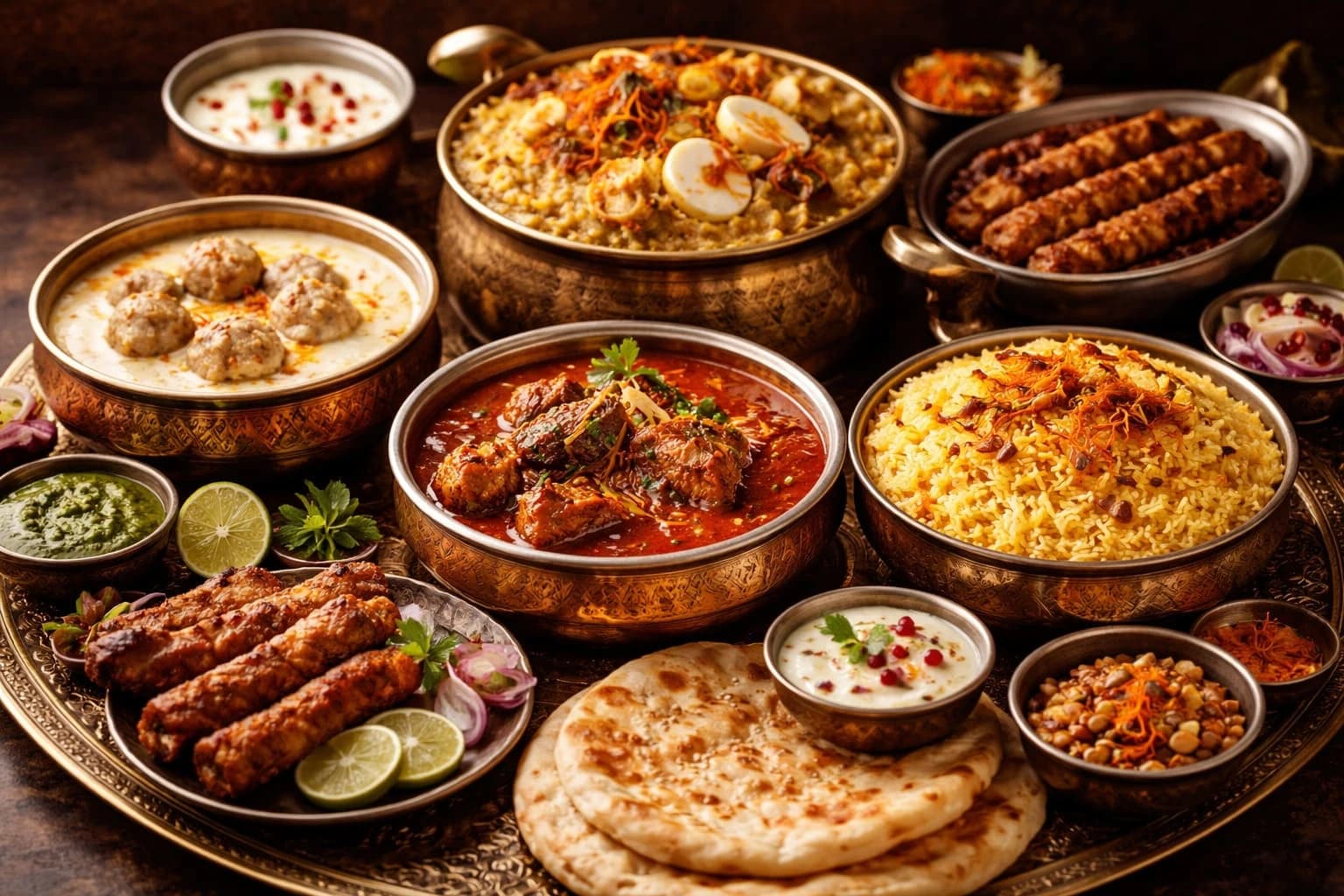
Chapli kebab is one of the most recognized foods linked with Khyber Pakhtunkhwa, especially Peshawar. It is flat, wide, slightly crisp around the edges, and packed with flavor from minced meat, tomatoes, onions, green chilies, coriander seeds, and spices. The shape and texture make it stand out immediately.

Kabuli pulao brings a softer, more fragrant side of the region’s food culture. This dish is built around long-grain rice, tender meat, and a gentle sweetness that often comes from carrots and raisins. It has a festive feel and is often seen as a dish that suits both everyday meals and special gatherings.

Bannu pulao has a stronger, heavier character than Kabuli pulao. It is richer, meatier, and often more intense in aroma. The rice absorbs stock and fat beautifully, giving every spoonful a full-bodied taste. This is the kind of dish that leaves a lasting impression because it feels generous from the first bite to the last.

Peshawari karahi is a perfect example of how simple ingredients can create powerful flavor. It usually features meat cooked with tomatoes, green chilies, salt, and a modest use of spice. The focus stays on the meat itself, while the tomatoes and chilies build freshness and heat around it.
Served hot in the same pan it is cooked in, karahi feels lively and immediate.

| Dish | Key Ingredients | Flavor Profile | Origin / Strong Association |
|---|---|---|---|
| Chapli Kebab | Minced meat, tomato, onion, coriander seeds, green chilies | Juicy, spicy, slightly smoky, crisp-edged | Peshawar |
| Kabuli Pulao | Rice, meat, carrots, raisins, mild spices | Fragrant, balanced, lightly sweet, rich | Popular across KP |
| Bannu Pulao | Rice, meat stock, tender meat, fat, spices | Deep, hearty, aromatic, full-bodied | Bannu |
| Peshawari Karahi | Meat, tomatoes, green chilies, salt, oil | Fresh, meaty, bold, slightly fiery | Peshawar |
| Painda (Sohbat) | Bread pieces, meat broth, meat | Comforting, rich, soft, deeply savory | Southern KP |
| Wreeta | Yogurt, herbs, seasoning | Cool, light, refreshing | Common side dish |
| Tandoori Roti / Naan | Wheat flour, water, salt | Warm, chewy, slightly smoky | Across the province |
One of the most well-known places that captures this spirit is Namak Mandi. It’s a space where cooking is done openly, without hiding anything behind walls. Large karahis sit over high flames, butchers prepare fresh cuts of meat nearby, and cooks work with confidence, often relying on instinct more than strict recipes.
One of the most well-known traditional meals in this category is Painda, also called Sohbat. It is simple in structure but rich in feeling. Pieces of bread are soaked in a flavorful meat broth and served with tender meat on top. The texture is soft, the taste is deep, and the dish carries a sense of warmth that goes beyond just flavor.
Meat holds a central place in many of the region’s best-loved meals. Beef, mutton, and chicken are all widely used, but the preparation is often restrained. Rather than burying the meat under layers of masala, cooks let its natural taste remain at the front. Tomatoes, green chilies, black pepper, coriander, and animal fat or oil are used to support the dish, not overwhelm it.
Rice dishes also reveal this style beautifully. In many parts of Pakistan, rice can lean heavily toward spice or garnish. In Khyber Pakhtunkhwa, rice often carries a different mood. It is aromatic, meaty, and built around stock, tenderness, and depth.
In the taste of Khyber Pakhtunkhwa, rice and meat are not just staples. They are the foundation of the region’s culinary identity.
Khyber Pakhtunkhwa is not defined by one single taste. The province has a strong shared food identity, but each area brings its own rhythm, ingredients, and style to the table. That regional variation makes the cuisine more interesting. It also shows how food changes with landscape, climate, and local tradition.
Peshawar is often the first place people think of when talking about food from the province, and for good reason. The city has a reputation for rich meat dishes, lively food streets, and recipes that feel confident and unmistakable. Chapli kebab, karahi, grilled meats, and naan dominate the experience here.
Food in Peshawar often feels:
It is the kind of food that leaves a strong first impression.
Swat brings a different mood. The valley is known for its natural beauty, and its food often feels slightly gentler in character compared with the stronger urban food of Peshawar.
In Swat, local cooking often leans into:
Chitral adds another layer to the province’s culinary landscape. The geography, weather, and local traditions shape food in ways that feel slightly different from the better-known dishes of central KP.
This is the kind of food that speaks quietly rather than loudly.
In southern parts of Khyber Pakhtunkhwa, food often becomes even more rooted in hearty communal eating. Dishes like painda carry special importance here, showing how bread, broth, and meat can come together in a way that feels both humble and rich.
This part of the province reflects a food culture built around:
There is a strong sense of tradition in these meals. They are not designed to be trendy or visually elaborate. It becomes a collection of local expressions, all connected by warmth, simplicity, and strong flavor.
Hospitality is one of the strongest parts of the region’s dining culture. When guests arrive, the table is rarely kept modest. Bread comes fresh, tea follows naturally, and the main dishes are served in a way that makes abundance feel normal. Even simple homes often treat food as a way of honoring the people sitting at the table.
This culture can be felt in a few very clear ways:
There is also a certain dignity in the way food is presented. It may not always be elaborate, but it feels complete. A tray of hot naan, a steaming karahi, a bowl of yogurt on the side, and tea after the meal can turn a simple dinner into something memorable.
The taste of Khyber Pakhtunkhwa is rich, honest, and deeply connected to the people who make it. From the smoky bite of chapli kebab to the comforting depth of painda, every dish carries a sense of place. The food does not rely on fancy presentation or heavy complexity. Its strength comes from bold natural flavor, careful cooking, and the warmth with which it is served.
This is a cuisine built on meat, rice, bread, broth, and hospitality, yet it never feels limited. Each city and district adds its own touch, giving the province a food culture that is both unified and diverse. Peshawar brings energy and boldness, Swat adds softness, Chitral brings local character, and southern areas offer deeply rooted comfort dishes that feel timeless.
More than anything, the taste of Khyber Pakhtunkhwa is about experience. It lives in crowded food streets, family dining mats, steaming karahis, and shared platters placed in the center of the table. It is food that fills the stomach, but it also stays in memory because it is tied to generosity, tradition, and a strong cultural identity.
For anyone who loves regional food with real character, Khyber Pakhtunkhwa offers something special. It is not only a cuisine to eat but one to feel, remember, and return to.
Also Read This:
9 Traditional Pakistani Street Foods That Define Local Flavor

No bio available yet.
Multan is a city that speaks through its food. Known for its saints, shrines, bazaars, and warm hosp
25 April 2026
Punjabi food is more than something you order at a restaurant. It is tied to family, farming, hospit
21 April 2026
Eid al-Adha is not just about sacrifice—it’s about togetherness, generosity, and the joy
20 April 2026
Be the first to share your thoughts
No comments yet. Be the first to comment!
Share your thoughts and join the discussion below.