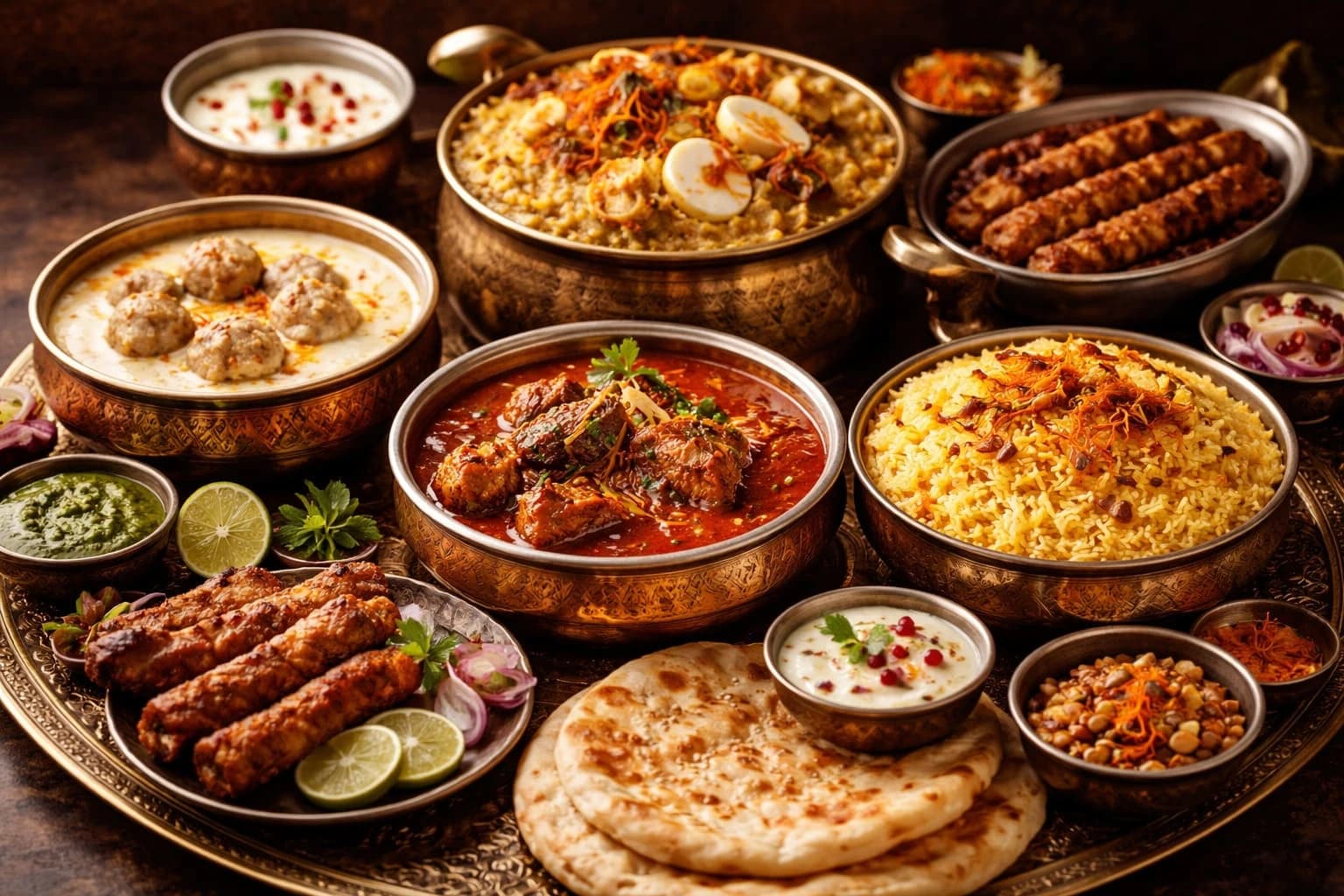
.png&w=3840&q=75)
* All product/brand names, logos, and trademarks are property of their respective owners.
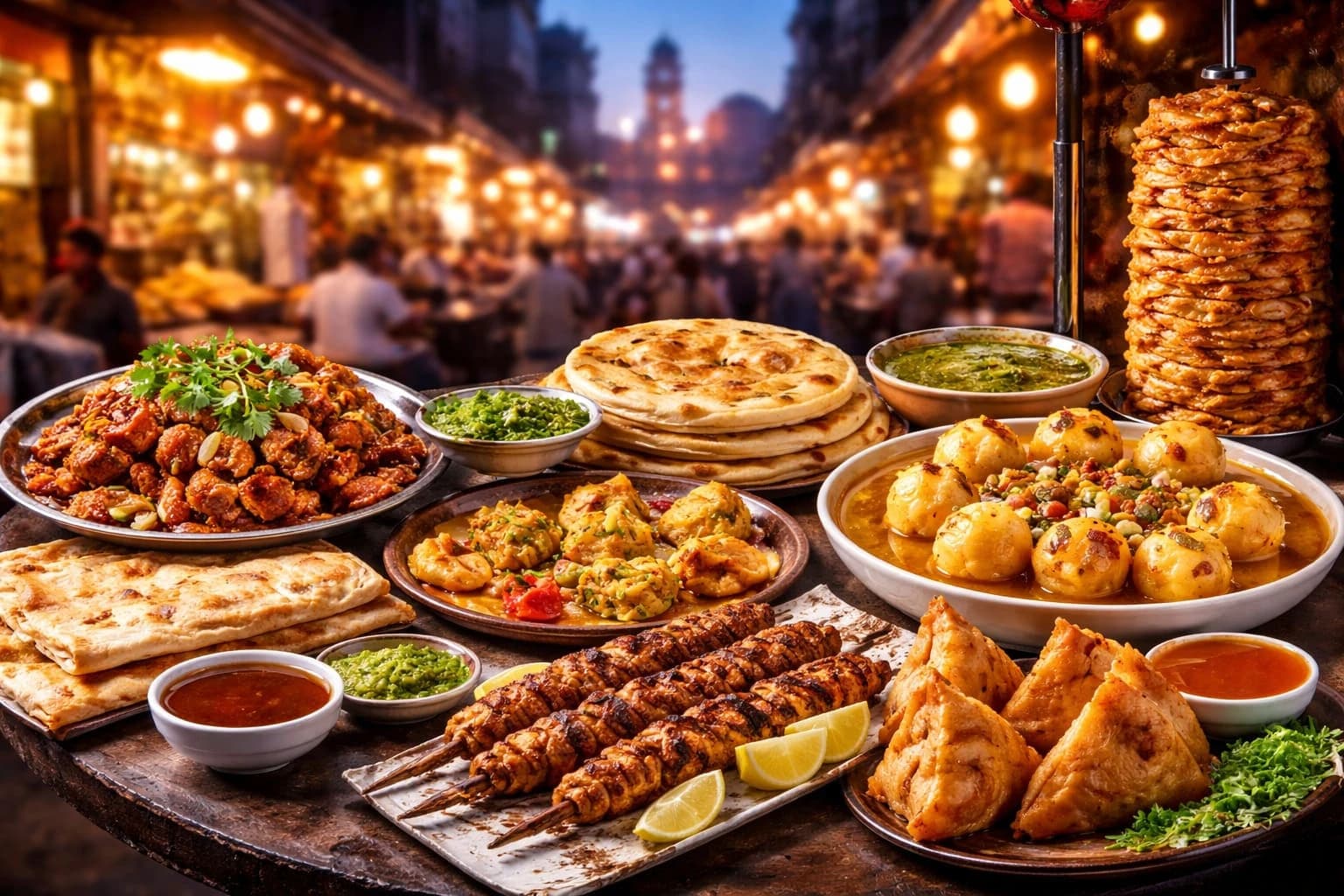
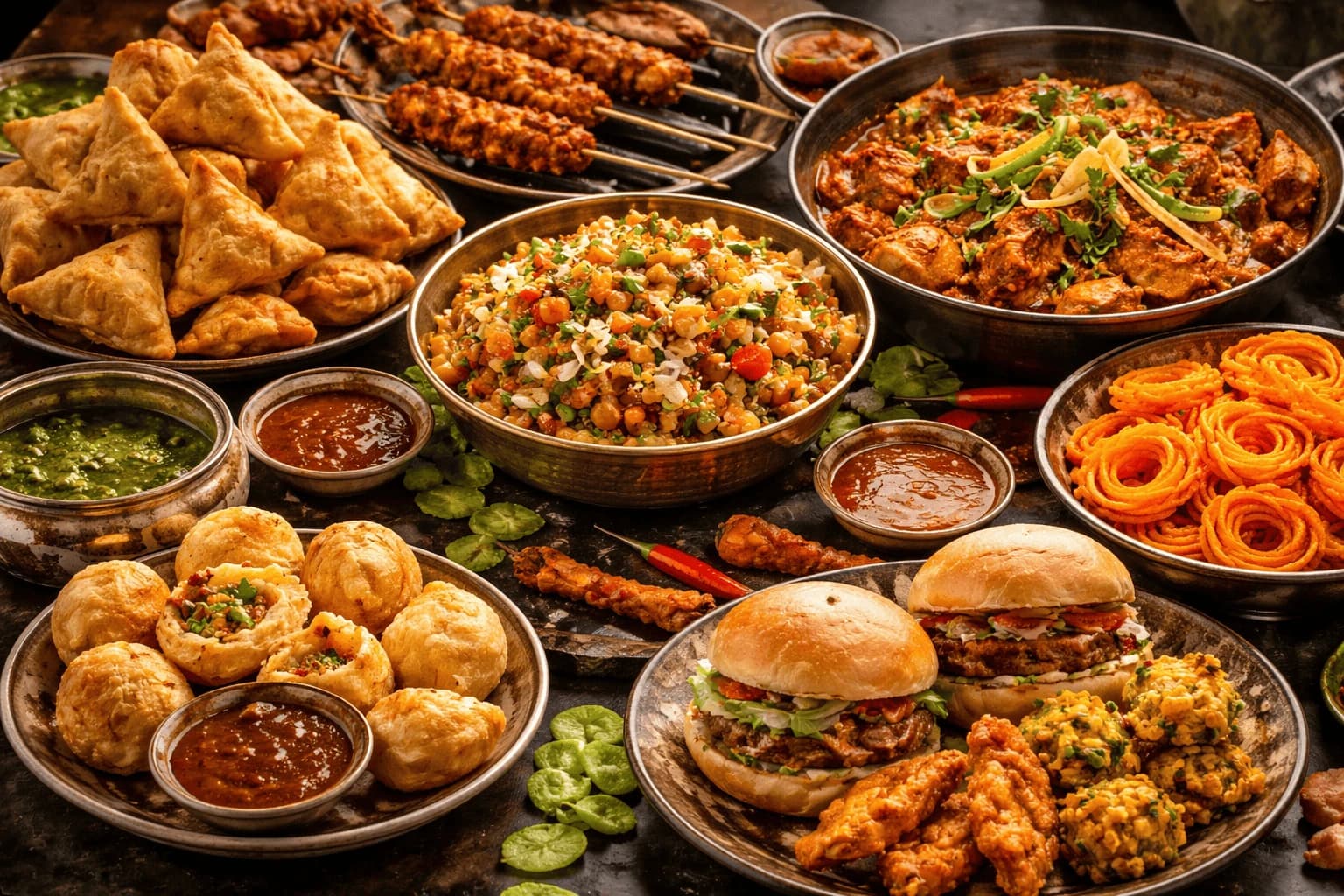
If you have ever stood near a sizzling street stall in Lahore or walked through the smoky food lanes of Peshawar, you already know this debate. Two kebabs. Two completely different personalities. Both deeply loved. Both absolutely delicious. And depending on who you ask your khala, your dhaaba wala, or the chai stall uncle who has opinions about everything the answer changes every single time.
This is the Seekh Kebab vs Chapli Kebab debate, and it is one worth having properly.
Before the comparison begins, it’s worth understanding the roots of both dishes. These aren’t just popular street foods they reflect rich history, regional pride, and cultural identity in every bite.
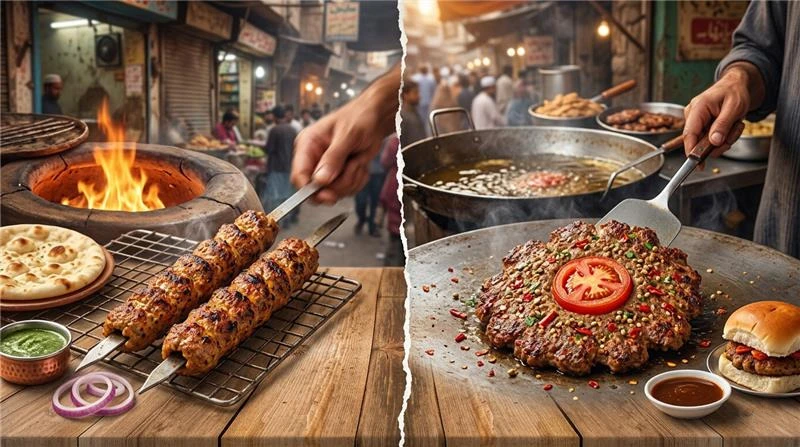
The word "seekh" literally means skewer in Urdu. That tells you everything about how this kebab is made. Minced meat usually beef, lamb, or chicken is mixed with onions, garlic, ginger, green chilies, fresh coriander, and a well-balanced blend of spices. The mixture is then shaped around long metal skewers and grilled over charcoal.

The result is something smoky, juicy, and aromatic. That char from the charcoal is non-negotiable. It is what separates a proper street Seekh Kebab from anything you cook at home on a tawa.
Seekh Kebabs are found everywhere from the roadside dhabas of Karachi to the BBQ stalls of Lahore and Islamabad. They are the most universal Pakistani kebab, served with naan, fresh onion rings, mint chutney, and raita.
Chapli Kebab comes from Khyber Pakhtunkhwa, and Peshawar wears it like a crown. The name comes from "chappal" the flat Pashto sandal because the kebab is shaped exactly like the flat, round sole of a shoe. Flat, wide, and pan-fried in beef fat or tallow.

What makes Chapli Kebab different from every other kebab in Pakistan is its texture and spice profile. Coarsely minced beef is mixed with whole coriander seeds, dried pomegranate seeds (anardana), cumin, onions, tomatoes, green chilies, and fresh herbs. The whole spices are not ground into a powder they stay coarse, giving the kebab a crunch that you feel in every bite.
It is then shallow-fried until crispy on the outside, juicy on the inside. No skewer. No grill. Just a hot tawa and a generous amount of fat.
| Feature | Seekh Kebab | Chapli Kebab |
|---|---|---|
| Origin | Across Pakistan (Punjab, Sindh, KPK) | Peshawar, Khyber Pakhtunkhwa |
| Shape | Long cylinder on a skewer | Flat, round patty |
| Meat | Beef, lamb, or chicken (fine mince) | Beef or lamb (coarse mince) |
| Key Spices | Garam masala, ginger, garlic, green chili | Coriander seeds, pomegranate seeds, cumin |
| Cooking Method | Grilled over charcoal | Shallow-fried in beef fat or tallow |
| Texture | Soft, juicy, slightly smoky | Crispy outside, chewy and juicy inside |
| Best Served With | Naan, raita, mint chutney | Naan, sliced onions, green chutney |
| Street Presence | Everywhere in Pakistan | Dominant in Peshawar and KPK |
| Fat Content | Medium | High (intentionally) |
| Signature Flavour | Smoky, herby, well-spiced | Tangy, crunchy, bold |
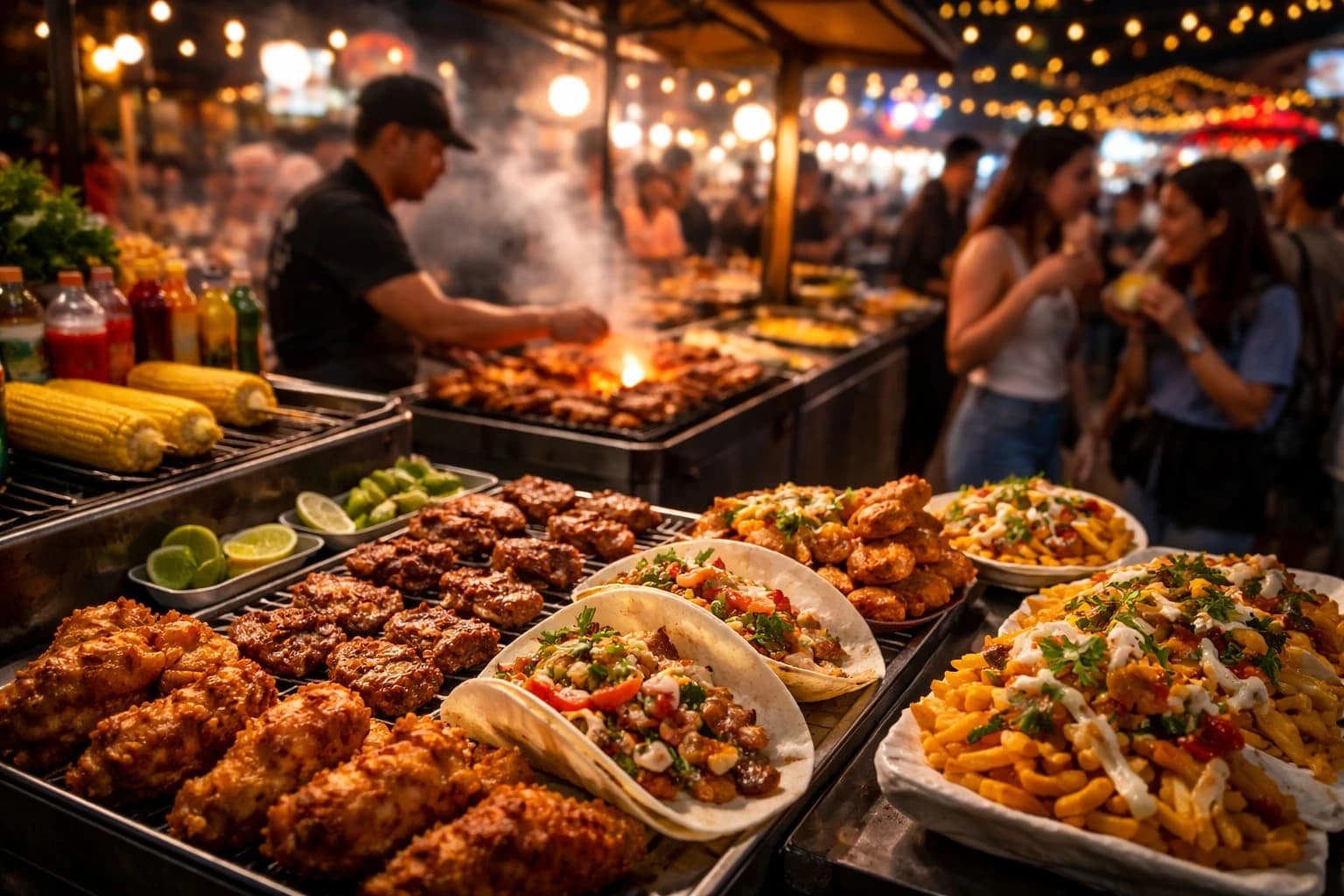
A freshly grilled seekh kebab delivers a kind of satisfaction that’s hard to put into words. First comes the smoke, then the aroma of charcoal, juicy meat, and spices blending together. Wrapped in hot naan with a touch of chutney, eaten right there on the roadside, it somehow feels more special than a full sit-down meal.
Another reason it stays so popular is its flexibility. Beef, chicken, or lamb each version has its own appeal. Spice levels shift from one vendor to another; some go bold and fiery, others keep it mild and balanced. Every city adds its own twist, and that variety keeps it exciting every time.
Chapli Kebab does not try to be subtle. It is unapologetically rich, unapologetically fatty, and unapologetically Peshawari. The dried pomegranate seeds give it a tangy sharpness. The whole coriander gives it a crunch. The tallow or butter used to fry it adds a depth of flavour that lean grilled meat simply cannot match.
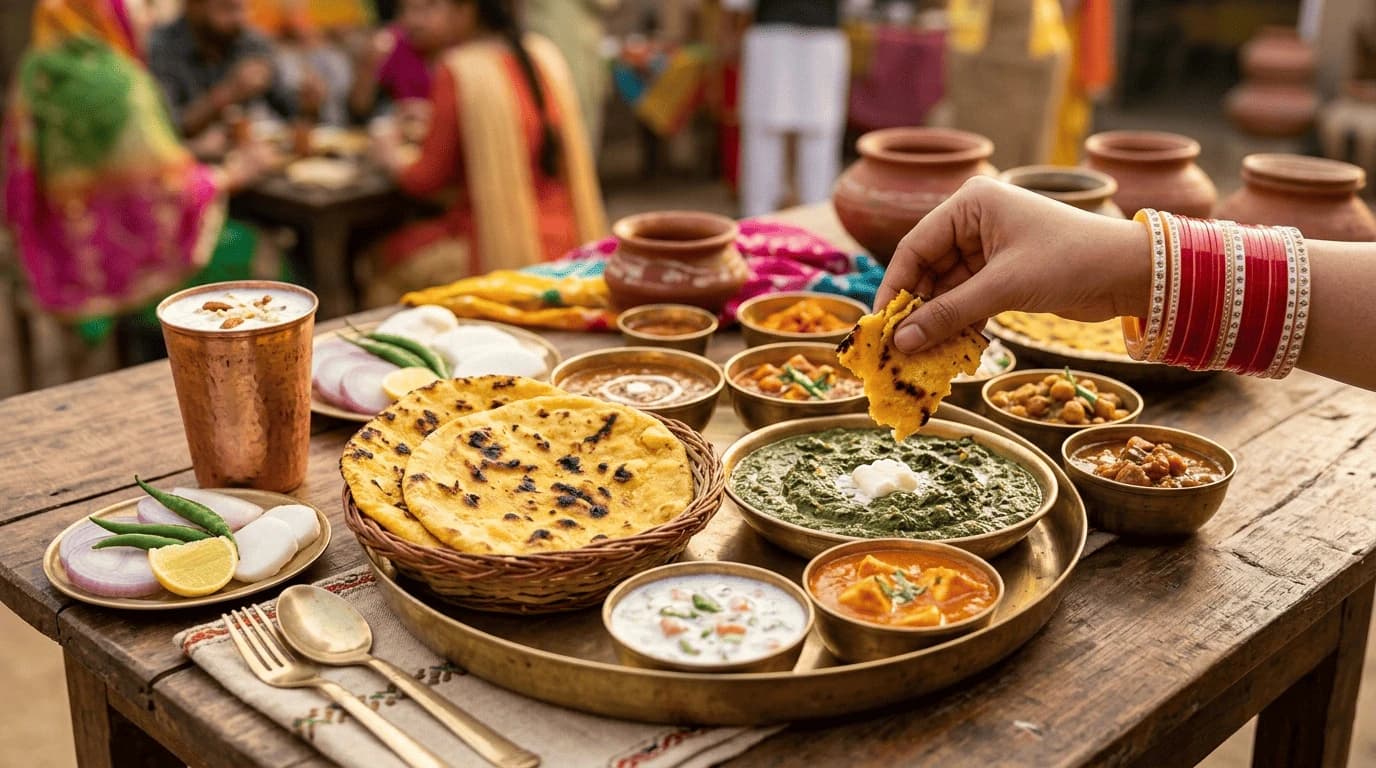
When you eat a Chapli Kebab in Namak Mandi in Peshawar one of Pakistan's most famous food streets you understand why people travel just for this one dish. It is big, crispy-edged, and served hot off the tawa with a warm naan. Nothing else is needed.
Honestly? It depends entirely on which street you are standing on.
In Karachi and Lahore, Seekh Kebab is king. It is the go-to choice at BBQ stalls, evening food markets, and family restaurants. It is familiar, fast, and satisfying the kind of food that works for everyone at the table.

In Peshawar, Kohat, and across Khyber Pakhtunkhwa, Chapli Kebab does not compete with Seekh Kebab it simply exists in a higher category. You do not visit Peshawar and skip the Chapli Kebab. That would be like going to Lahore and skipping the gol gappay.
In terms of national reach, Seekh Kebab has broader street-level presence. But in terms of cultural depth and regional pride, Chapli Kebab carries enormous weight.
Here is the honest answer neither one wins, because they are not really competing.
Seekh Kebab wins if you want something smoky, light, and available at every food stall from Karachi to Islamabad. It is the everyday kebab. The one you grab when you are hungry, the one you cook at every Eid BBQ, the one everyone already loves.
Chapli Kebab wins if you want something bold, rich, and genuinely unlike anything else. It asks more of you in flavour, in fat, in experience and it delivers every time.
If you have only ever had one, try the other. That is the real verdict.

Nigarish Nadeem is a passionate content writer and guest posting contributor who specializes in creating engaging, SEO-friendly content across multiple niches including technology, business, marketing, lifestyle, and digital trends. With a focus on quality writing and audience value, she helps brands improve their online visibility through informative and well-researched articles.
Lahore does not just feed you. It follows you home.
20 April 2026
There is something special about the way food lives on the streets of Pakistan. It is not only about
18 April 2026
There’s been a quiet shift in how people experience food. Not long ago, excitement meant white
8 April 2026
Be the first to share your thoughts
No comments yet. Be the first to comment!
Share your thoughts and join the discussion below.