.png&w=3840&q=75)
* All product/brand names, logos, and trademarks are property of their respective owners.
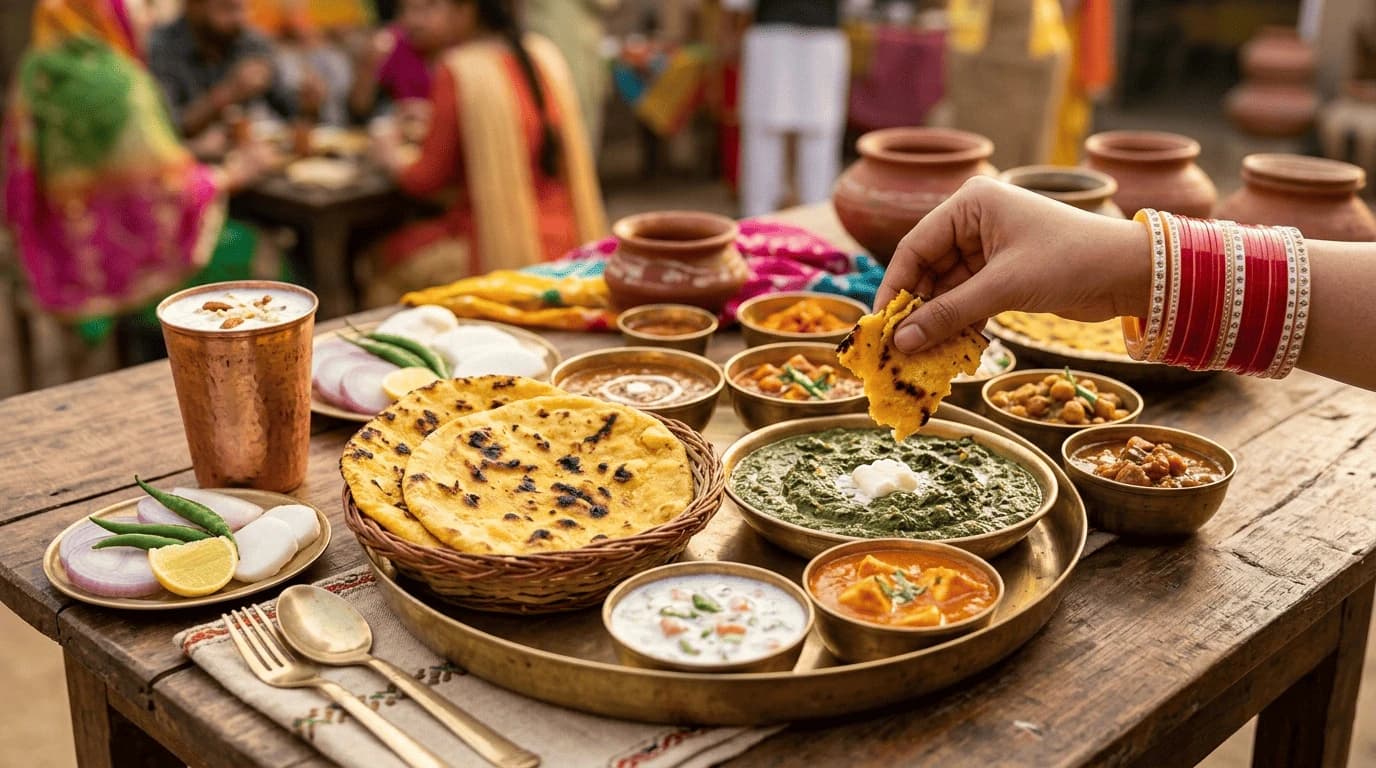
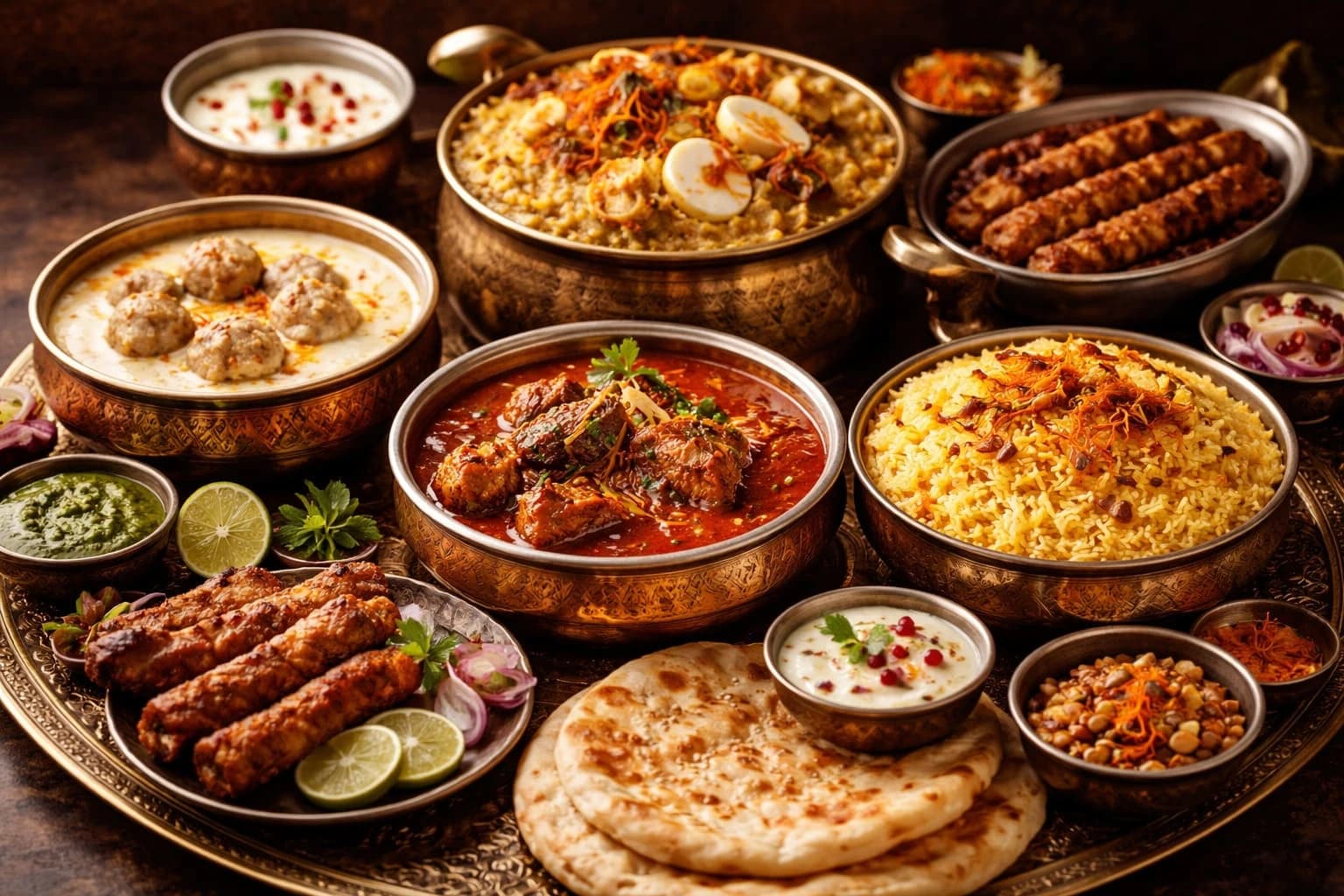
Multan is a city that speaks through its food. Known for its saints, shrines, bazaars, and warm hospitality, the city also carries a deep love for traditional flavors. Every street corner, sweet shop, and family dining table has something that reflects the soul of Multan.
From the rich sweetness of Sohan Halwa to spicy chaat, smoky kebabs, fresh mangoes, and comforting desi meals, Multan traditional flavors offer more than taste. They tell stories of culture, family, celebration, and local pride.
Multan’s food culture is closely tied to its history, people, and everyday way of life. The city is known for its old bazaars, traditional sweet shops, roadside food stalls, and family-style meals that bring people together.
What makes Multani food special is its balance of richness and comfort. Some flavors are sweet and deep, like Sohan Halwa. Others are spicy, tangy, and bold, like chaat, kebabs, and tawa fish. This mix gives the city’s food its own personality.
Food in Multan is also about hospitality. Guests are often welcomed with tea, sweets, seasonal fruit, or a full desi meal. Whether you are eating at a local restaurant or visiting someone’s home, food becomes a way to share warmth, respect, and culture.

Multan’s food scene is full of dishes that feel rich, homely, and full of character. Some are linked with celebrations, some with street food evenings, and others with family-style meals. Together, they show the real taste of Multan traditional flavors.
| Food | What Makes It Special |
|---|---|
| Sohan Halwa | Sohan Halwa is the most famous sweet of Multan and a true symbol of the city’s food culture. Made with ghee, sugar, milk, flour, and nuts, it has a rich texture and deep caramel-like taste. Many visitors buy it as a gift because it travels well and feels special. Its sweetness reflects the warmth and hospitality Multan is known for. |
| Multani Chaat | Multani chaat brings together spice, tang, crunch, and freshness in every bite. It usually includes chickpeas, potatoes, yogurt, chutneys, onions, and masala. The flavor is bold but balanced, making it a favorite evening snack. You’ll often find it in busy bazaars where people gather for quick, flavorful street food. |
| Karahi | Karahi is a hearty desi dish loved across Multan, especially for family meals and gatherings. It is usually cooked with chicken or mutton, tomatoes, green chilies, ginger, and traditional spices. The dish is served hot with naan or tandoori roti. Its rich aroma and spicy flavor make it one of the most satisfying local meals. |
| Kebabs | Kebabs are a popular choice for anyone who enjoys smoky, grilled flavors. In Multan, they are often made with minced meat, spices, herbs, and cooked over heat until tender and juicy. They are commonly served with naan, chutney, salad, and raita. Their simple but bold taste makes them a favorite at local BBQ spots. |
| Tawa Fish | Tawa fish is loved for its crisp outside, soft inside, and strong spice coating. The fish is marinated with local spices and cooked on a hot flat griddle. It is especially enjoyable in cooler weather or as part of a night food outing. Served with chutney and fresh naan, it gives a strong taste of Multan’s street-style cooking. |
| Mangoes | Multan is widely known for its mangoes, which are sweet, fragrant, and full of flavor. During mango season, the city feels closely connected to this fruit through markets, homes, juices, and desserts. Mangoes are eaten fresh, blended into shakes, or served after meals. They add a bright seasonal touch to Multan’s traditional food experience. |
No food journey through Multan feels complete without Sohan Halwa. It is more than a sweet dish; it is one of the city’s strongest food identities. For many people, Multan and Sohan Halwa are almost impossible to separate.
Its rich flavor comes from ingredients like ghee, milk, sugar, flour, and nuts. The texture is dense, slightly chewy, and deeply satisfying. Every bite carries a warm sweetness that feels traditional and festive.
Sohan Halwa is also a popular gift. Visitors often take boxes home for family and friends, especially after visiting Multan’s famous sweet shops. It represents celebration, hospitality, and the city’s love for rich traditional taste.
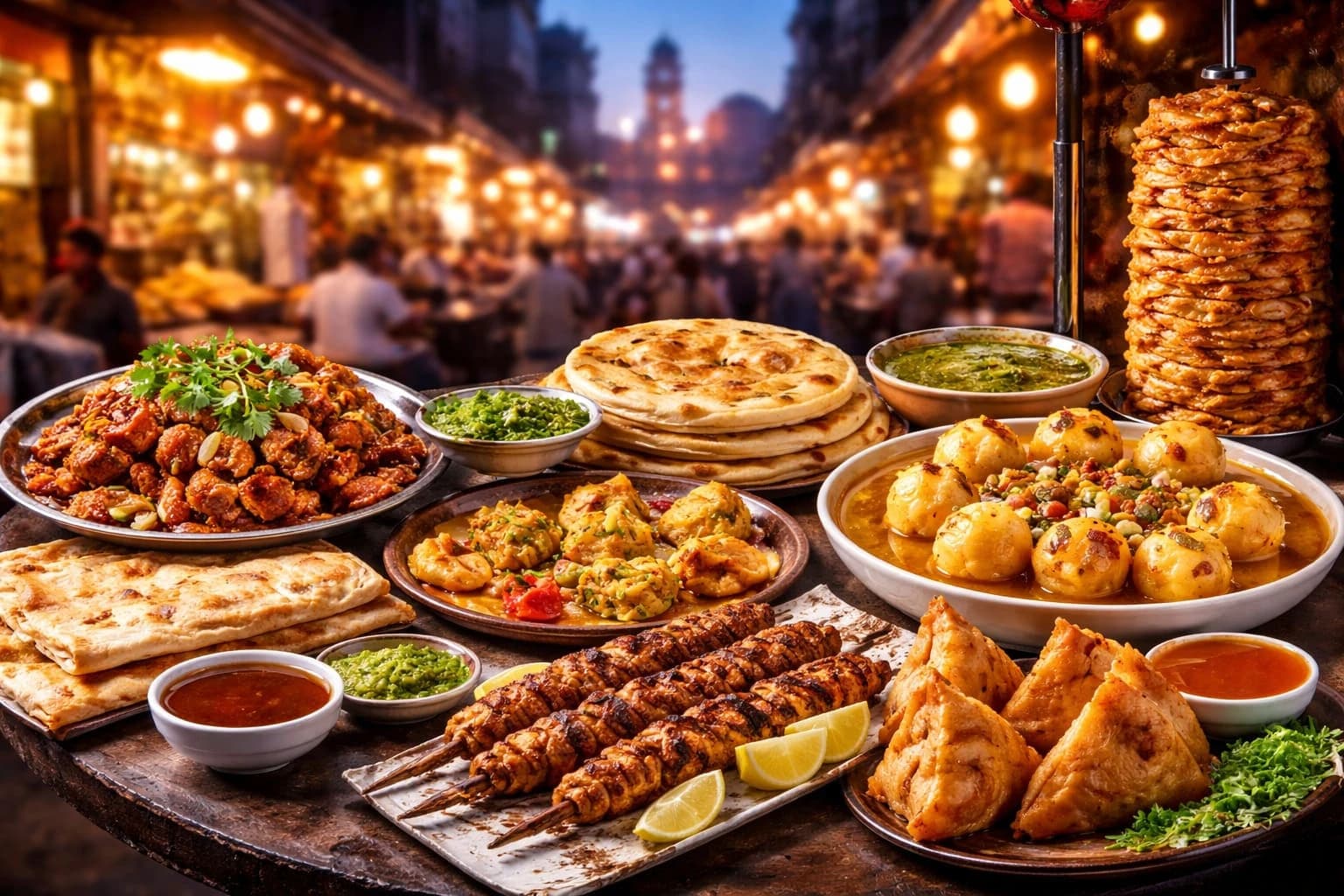
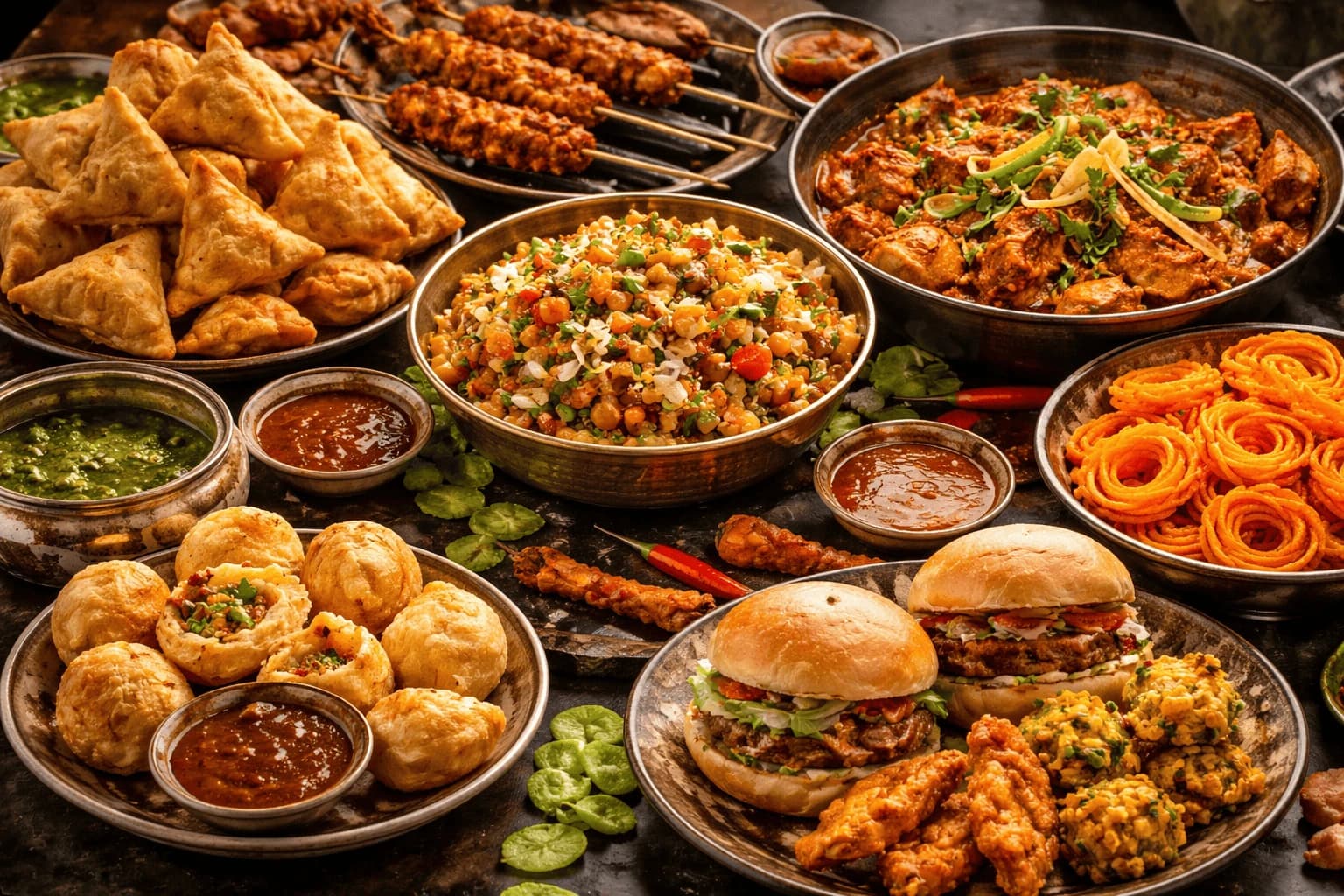
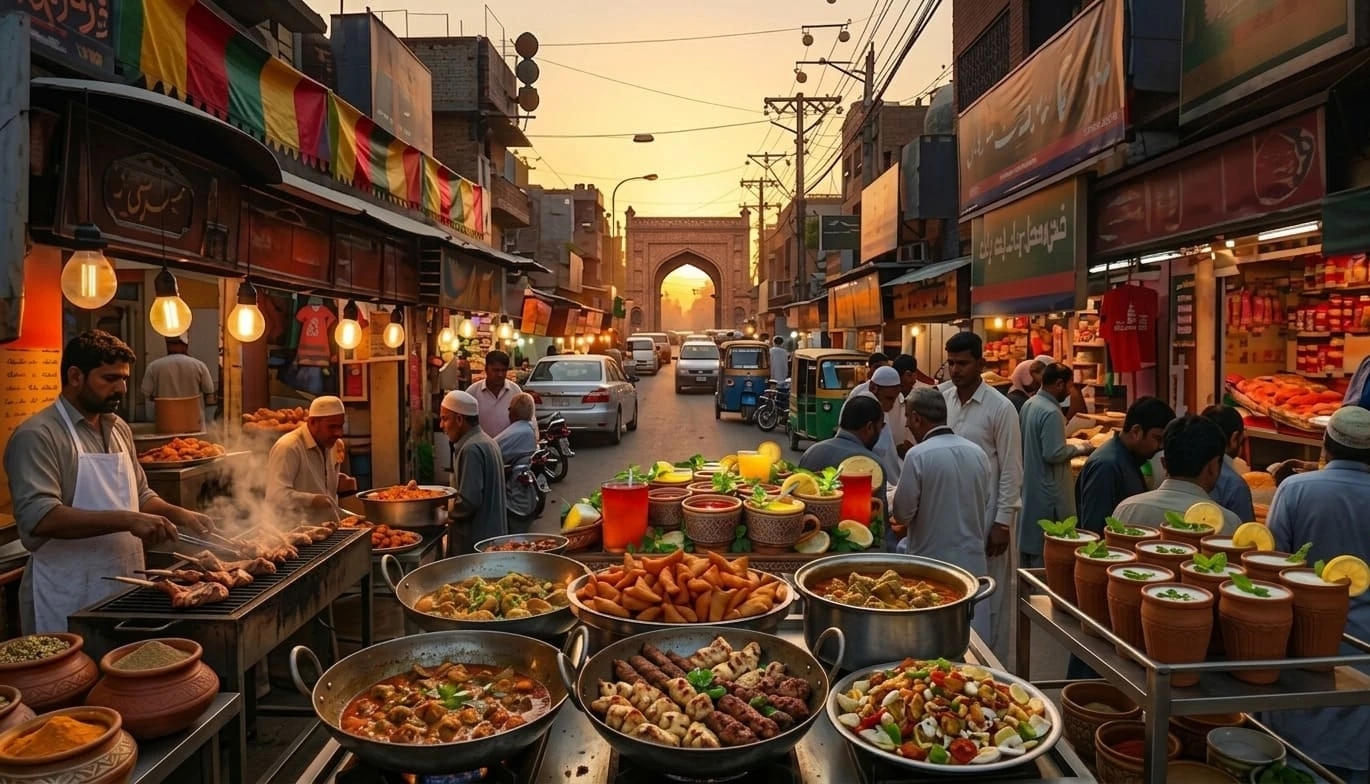
The true energy of Multan’s food scene comes alive in its streets and bazaars. As the day winds down, food stalls start filling up with people looking for quick, flavorful bites. The atmosphere becomes lively, with the aroma of spices, fried snacks, and fresh tea in the air.
Street food in Multan is all about bold taste and variety. You don’t need a formal setting to enjoy great food here. Some of the best flavors come from simple roadside vendors.
What makes this experience special is not just the food, but the setting. Sitting in a busy bazaar, surrounded by conversation and movement, adds a unique charm to every bite.
Beyond street food, Multan offers deeply satisfying traditional meals that are best enjoyed slowly, often with family or friends. These meals are rich, filling, and full of bold desi flavors that reflect the city’s love for hearty cooking.
What makes these meals special is how they are served. Food is often placed in the center, and everyone shares, creating a sense of connection. The experience is less about formality and more about enjoying food together.
Local restaurants and dhabas keep these traditions alive. Whether it’s a casual roadside eatery or a well-known family restaurant, the focus stays the same: fresh food, strong flavors, and generous portions.
When summer arrives, Multan’s food scene takes on a sweeter, more refreshing side. The city is widely known for its mangoes, often considered some of the best in the region. During this season, mangoes become a central part of daily life, from street vendors to family meals.
People enjoy them in simple and creative ways. Some prefer eating them fresh and chilled, while others turn them into mango shakes, fresh juices, and desserts.
Alongside mangoes, summer also brings cooling drinks like lassi, which helps balance the heat and spicy foods. These seasonal treats add a lighter, refreshing contrast to Multan’s otherwise rich and bold flavors.
Multani food feels different because it brings together many flavors without losing its simple, local charm. It can be sweet, spicy, tangy, smoky, and refreshing, often in the same food journey.
The city’s food is not only about recipes. It is about the feeling behind them. A box of Sohan Halwa, a plate of chaat in a busy bazaar, or a shared karahi at dinner all carry the same message: food in Multan is made to be enjoyed together.
This is what gives Multan traditional flavors their lasting appeal. They are rich in taste, but also rich in culture, memory, and hospitality.
To enjoy Multan’s traditional food properly, take your time and explore beyond fancy restaurants. Some of the best flavors are found in old markets, local sweet shops, and casual food spots.
Multan’s food is best enjoyed with curiosity. The more you explore, the more you discover how deeply food is connected to the city’s culture.
Savoring Multan is not just about tasting food; it is about experiencing the city’s heart. From Sohan Halwa and spicy chaat to smoky kebabs, rich karahi, refreshing lassi, and sweet mangoes, every flavor adds something special to the journey.
Multan traditional flavors reflect warmth, history, hospitality, and local pride. Whether you are walking through a busy bazaar or sharing a meal with family, the food leaves a memory that stays long after the last bite.

No bio available yet.
The taste of Khyber Pakhtunkhwa is not built on complexity. It comes from simple ingredients, slow c
22 April 2026
Punjabi food is more than something you order at a restaurant. It is tied to family, farming, hospit
21 April 2026
Eid al-Adha is not just about sacrifice—it’s about togetherness, generosity, and the joy
20 April 2026
Be the first to share your thoughts
No comments yet. Be the first to comment!
Share your thoughts and join the discussion below.