.png&w=3840&q=75)
* All product/brand names, logos, and trademarks are property of their respective owners.
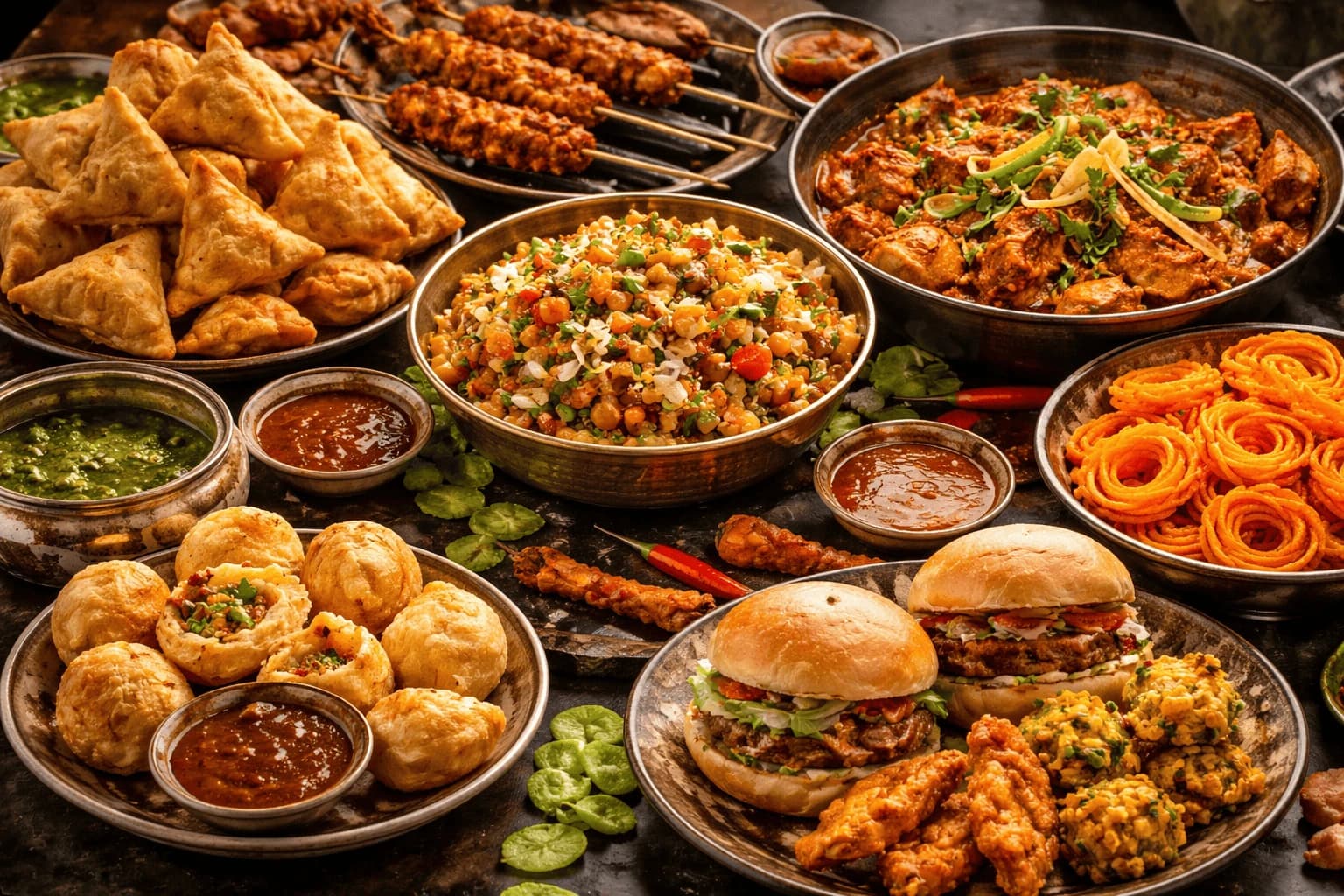
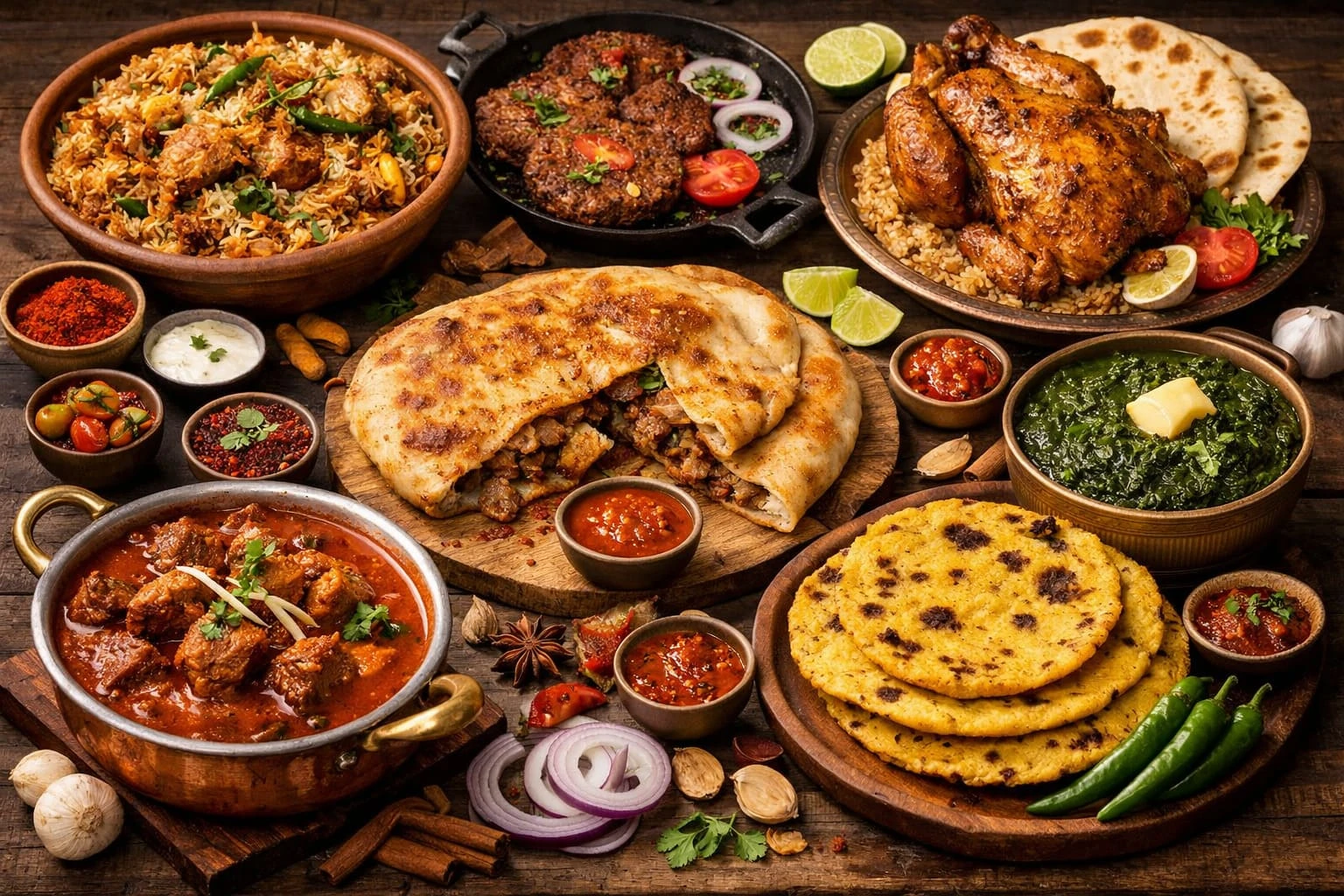
There’s something quietly powerful about a Pakistani dining table. It’s never just about food. It’s about the stories that travel with each dish—the hands that prepared it, the region it came from, and the memories it carries. One table can hold flavors from the mountains, the deserts, the plains, and the bustling streets, all at once.
That’s the beauty of regional Pakistani recipes. They don’t try to be the same. Each one brings its own personality—bold, subtle, smoky, rich, or comforting. And somehow, when they sit together on one table, they make perfect sense.
This isn’t just a list of dishes. Think of it as a journey across Pakistan, where every stop introduces you to a recipe that doesn’t just feed you—it stays with you.
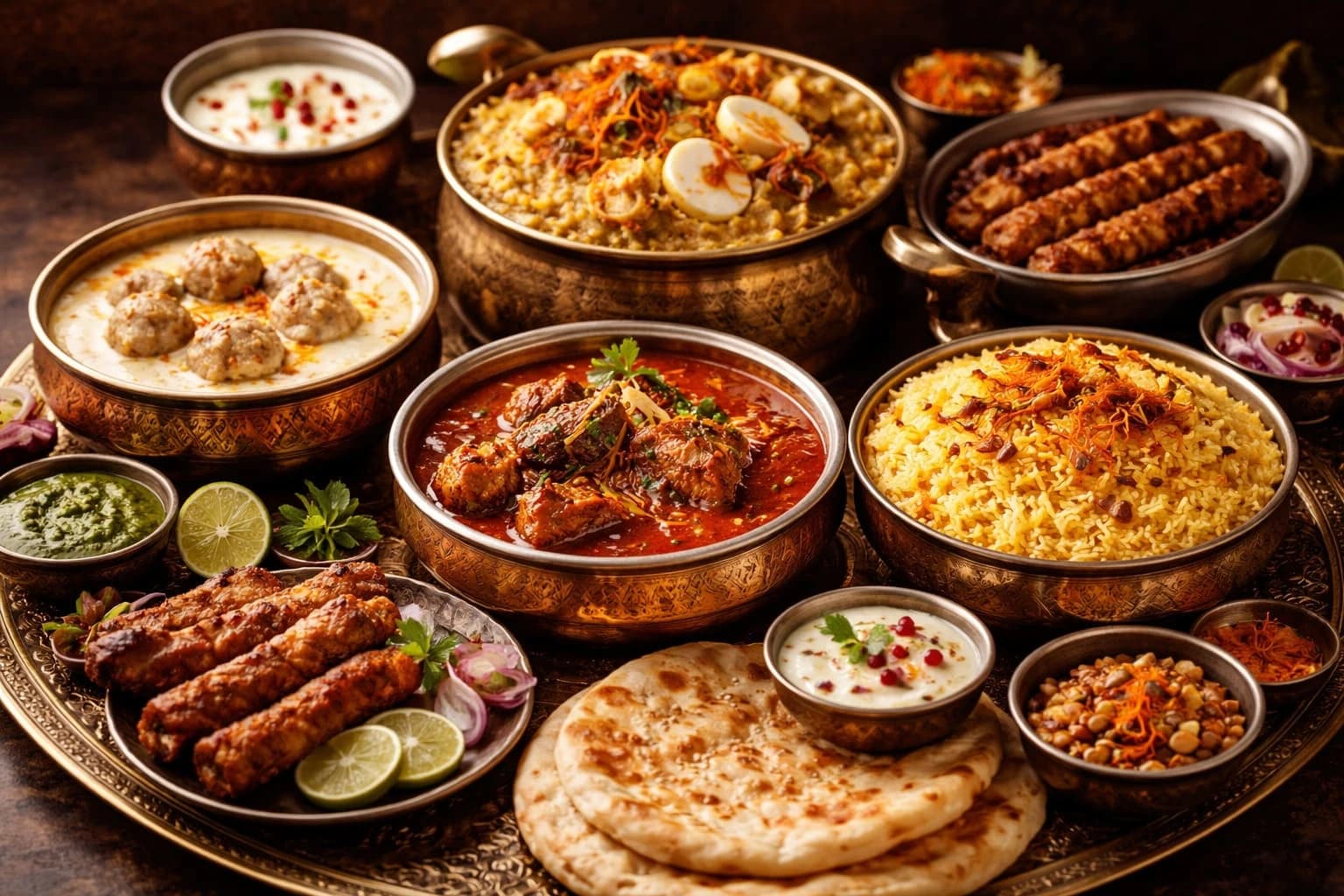
Sindhi Biryani never arrives quietly. It comes layered with color, aroma, and bold flavor that instantly fills the space. The tang of yogurt and tomatoes, the heat of spices, and the softness of potatoes create a balance that feels rich yet lively.
In Sindh, it’s more than a dish—it’s a celebration. Found at weddings, Eid, and family gatherings, it brings people together the moment the lid is lifted.
What makes it special:
It’s remembered not just for taste, but for the moments around it—shared plates, laughter, and noise. Once it’s on your table, it stays in memory.

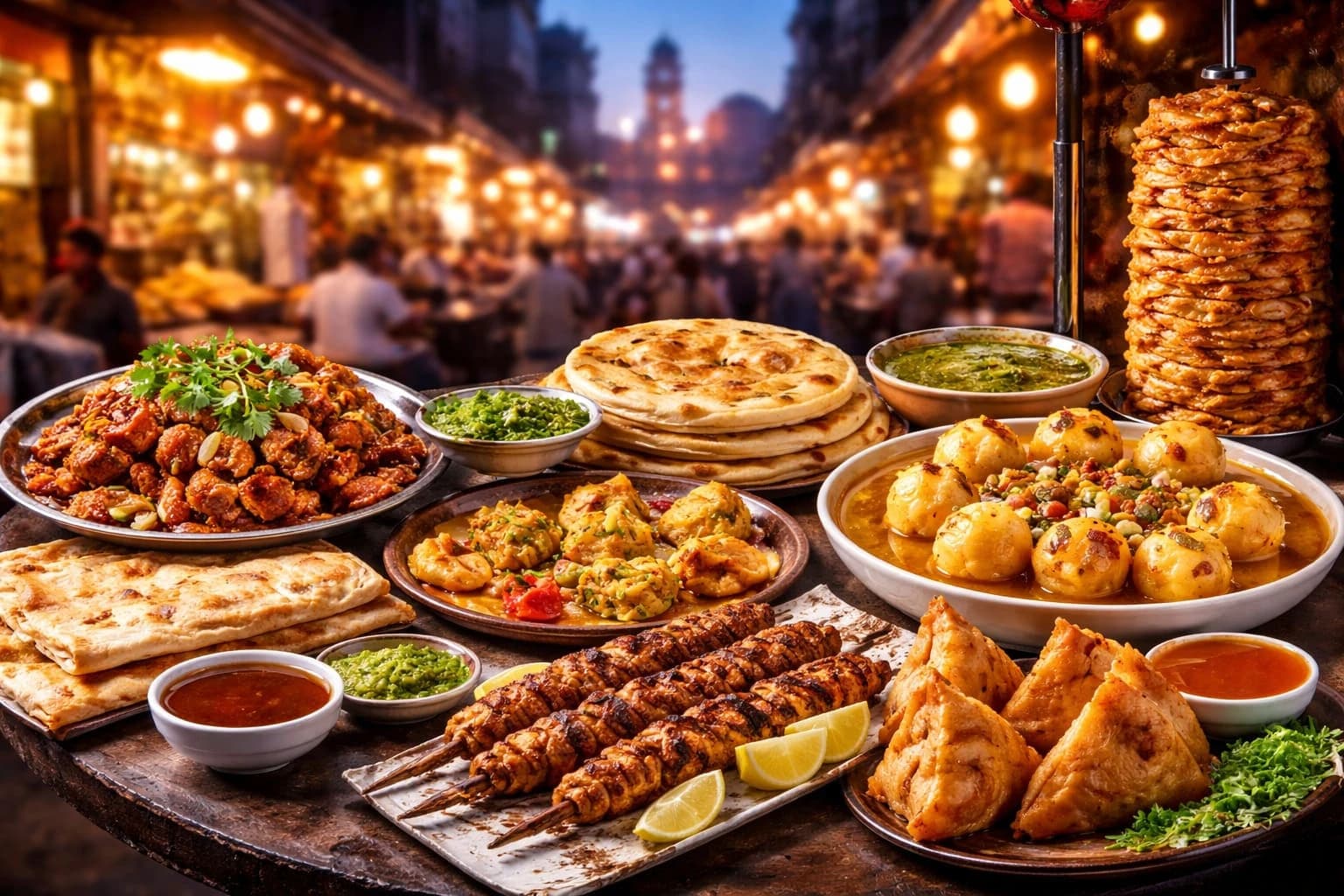
Chapli Kebab belongs to the streets, where food feels raw, real, and full of life. Flat and rustic, it carries bold spices, herbs, and a juicy texture that comes alive on a hot tawa.
It feels handmade, almost imperfect in shape but perfect in flavor. You can imagine it cooking in busy stalls, surrounded by noise and anticipation.
What defines it:
In Peshawar, it’s part of daily life—quick meals, shared naan, and simple satisfaction. It proves great food doesn’t need complexity, just skill and confidence.

Balochi Sajji shows how simple cooking can be unforgettable. Lightly seasoned meat, often just with salt, is slow-roasted over open fire until crisp outside and tender inside.
There are no heavy spices—just patience and heat.
What stands out:
It’s often cooked outdoors, where people gather, talk, and wait together. The process itself becomes part of the meal. Sajji reminds you that simplicity, when done right, leaves the strongest impression.

Lahori Chargha reflects the bold spirit of Lahore. A whole chicken, marinated, steamed, and fried to a crisp golden finish—it’s rich, loud, and full of flavor.
The crunch comes first, followed by juicy meat packed with spice.
What makes it memorable:
It often sits at the center of the table, shared piece by piece. It’s tied to late-night meals, laughter, and that familiar urge to order more before finishing.

Rogan Josh doesn’t demand attention—it slowly earns it. Slow-cooked with deep spices, it offers a rich yet balanced flavor that feels warm and steady.
Its deep red color draws you in, but its calm, layered taste keeps you there.
What defines it:
Perfect for quiet evenings, it brings comfort without heaviness. It’s less about excitement and more about calm satisfaction.

Chapshuro is simple, filling, and deeply rooted in mountain life. Thin dough stuffed with spiced meat is cooked until crisp outside and juicy inside.
It’s practical, made to nourish in colder regions.
What makes it unique:
Less known than other dishes, it feels personal—like something shared quietly between generations. It brings both flavor and discovery to the table.

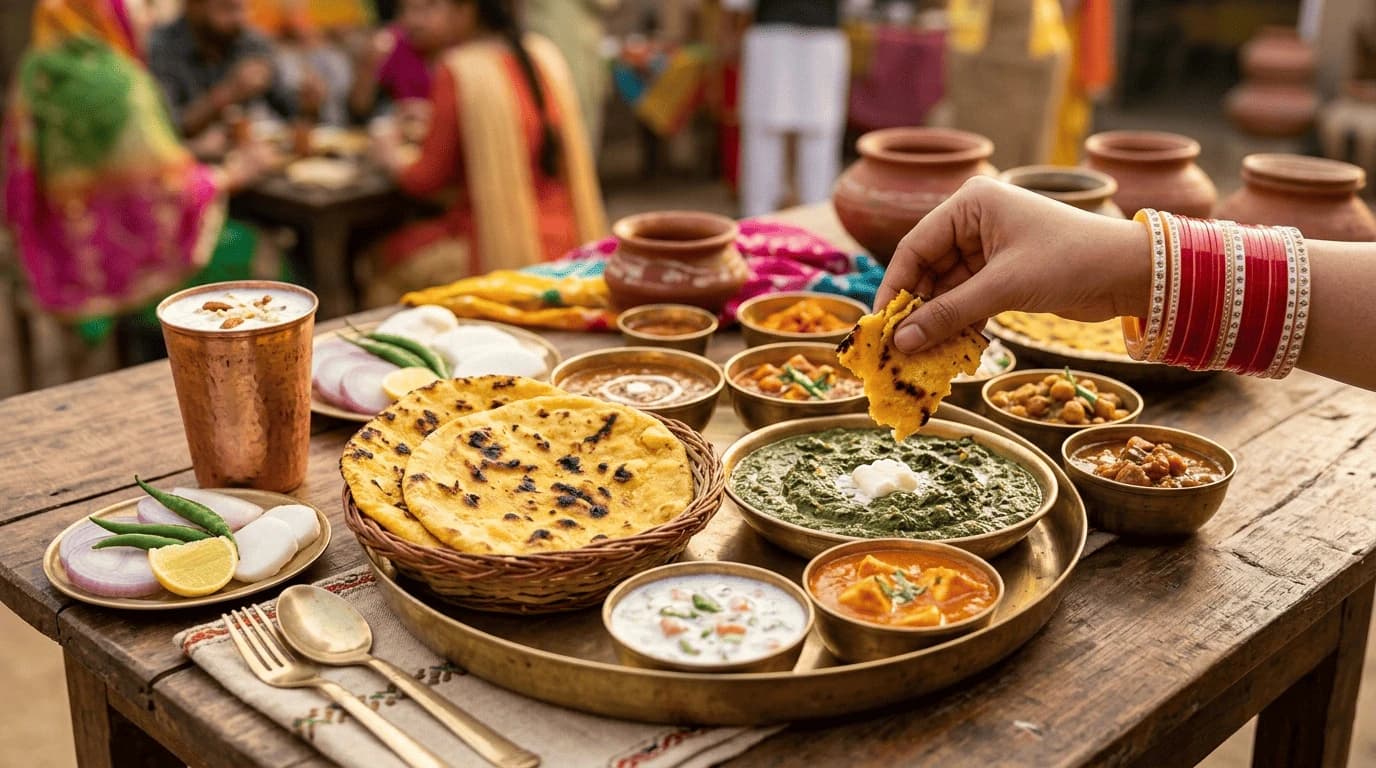
Saag and makki di roti feels like home. Slow-cooked mustard greens paired with warm corn flatbread create a simple yet deeply comforting meal.
It belongs to winter, to slow days, and warm kitchens.
What gives it meaning:
It’s not flashy, but it doesn’t need to be. It’s built on patience, tradition, and comfort—meant to be felt as much as tasted.

Seven dishes. Seven regions. And yet, it all comes back to one table.
That’s the quiet magic of regional Pakistani recipes—they carry different climates, cultures, and traditions, but when they come together, they don’t clash. They complete each other. The boldness of Sindhi Biryani, the street-side warmth of Chapli Kebab, the simplicity of Sajji, the richness of Chargha, the comfort of Rogan Josh, the discovery of Chapshuro, and the homely depth of Saag—they all belong, side by side.
Food in Pakistan has never been just about taste. It’s about presence. About sitting together a little longer. About passing plates without asking. About that familiar feeling when something on the table reminds you of a place, a person, or a moment you didn’t realize you missed.
Maybe you won’t cook all seven at once. Maybe you’ll start with one. But once you do, you’ll understand why these dishes aren’t just meals—they’re experiences that stay, long after the table is cleared.
And that’s exactly why they deserve a place on your table.
Also Read This
Why Street Food Is More Exciting Than Fine Dining Right Now

No bio available yet.
Sindhi biryani is not the kind of dish you eat quietly. It comes with heat, aroma, color, and that f
2 May 2026
Be the first to share your thoughts
No comments yet. Be the first to comment!
Share your thoughts and join the discussion below.